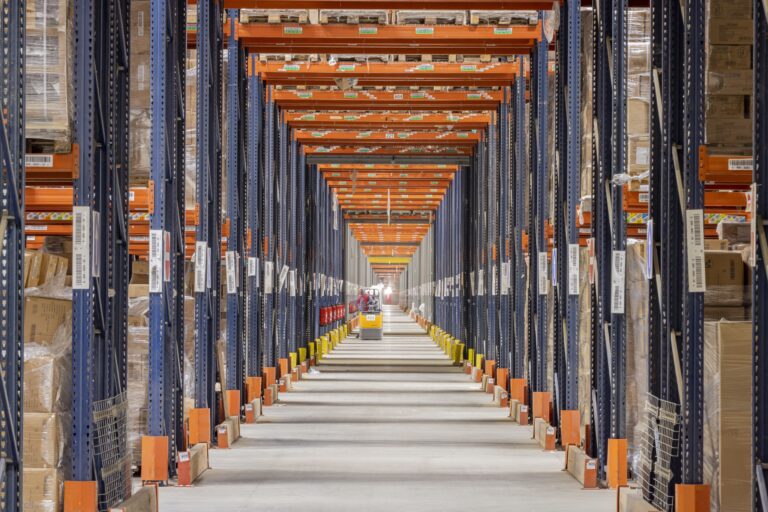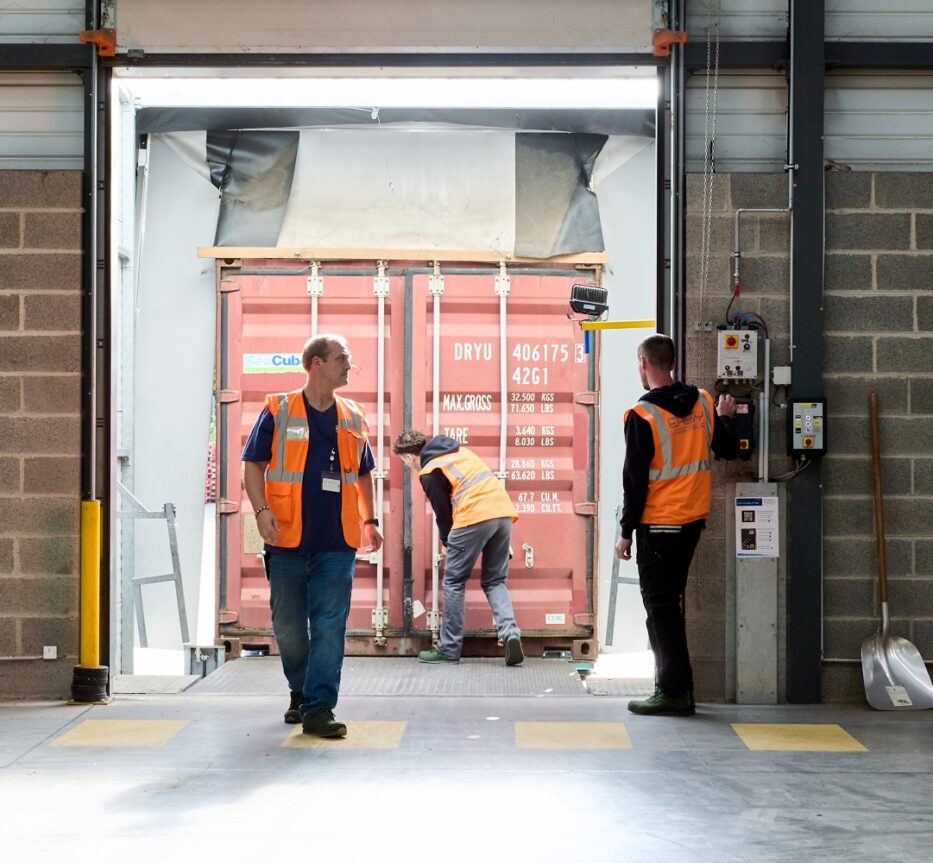
Easy Logistique, JJA's logistics subsidiary since 2002, is one of the pillars of the group's strategy. From receiving containers to delivery to the customer, including storage and order preparation, it orchestrates the entire chain. Its CEO, Edouard Brisset, discusses what makes logistics excellence a full-fledged competitive advantage.

Can you introduce Easy Logistique and its role within JJA?

Easy Logistique is the logistics arm of the JJA Group. Since 2002, our mission has been to receive products, which primarily arrive by container, palletize them, store them in one of our four logistics platforms, and then prepare and ship orders in France and around the world. Thanks to the power of our teams and our organization, we are capable of preparing and shipping up to 160,000 packages per day.

How would you define logistic excellence?

It rests on five dimensions. Reliability, first: delivering the right product, to the right place, at the right time, without error. And consistently! Being reliable once is good. Being reliable systematically is what builds true trust. Speed and fluidity, next: reducing lead times, simplifying processes. Visibility: providing the customer with transparent information at every stage, from preparation to carrier departure. Flexibility.

You're talking about visibility: how does that translate in practice?

The goal is to give the customer information at each stage, like when you track an e-commerce order. They know their order has been received, is being prepared, and has shipped. This avoids uncertainty. But beyond tracking, it requires a certain proactivity: when even the slightest problem is encountered, the customer is informed immediately. They know before facing a fait accompli. This is how a true relationship of trust is built.

What concrete benefits does this bring to JJA customers?

For a distributor, reliable logistics have a direct impact on their business: always stocked shelves, less tied-up inventory and optimized stock rotation, increased responsiveness, and therefore fewer lost sales due to unavailability. It is a lever for economic and operational performance.

How does data transform your job?

Previously, logistics was reactive, driven by historical analyses. With data, it becomes predictive, connected, and real-time. We can anticipate seasonalities, size resources more precisely, and optimize stock positioning across our platforms. Decision-making is now much faster and more fact-based. 

Our investments are focused on data qualification and storage, the development of real-time management tools, and training our teams on these new tools. Tomorrow, AI will certainly be capable of going even further: suggesting replenishments at the right time, identifying missing products in a customer's catalog, and anticipating stockouts.

Beyond technological advancements, what is your vision for the logistics of tomorrow?

We are working on two fronts. First, mechanization, to gain efficiency and reliability. Second, geographic optimization: physically moving closer to our clients to guarantee even shorter delivery times. This is a win-win for them, and it reduces our environmental footprint. Tomorrow's logistics are those that allow a customer to order with precision, optimize their inventory, and be delivered exactly when they need it, without having to think about it.