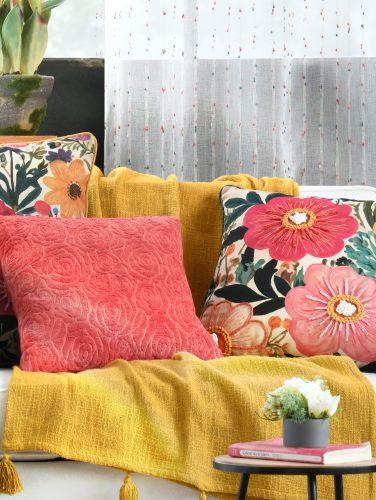
Style is never just a matter of aesthetics. It's a way of reading an era, of understanding what's changing in homes, in habits, in desires. It's also a way of creating an immediate emotion: the one you feel in front of a color, a material, a pattern, a product that seems to have already found its place in your home.

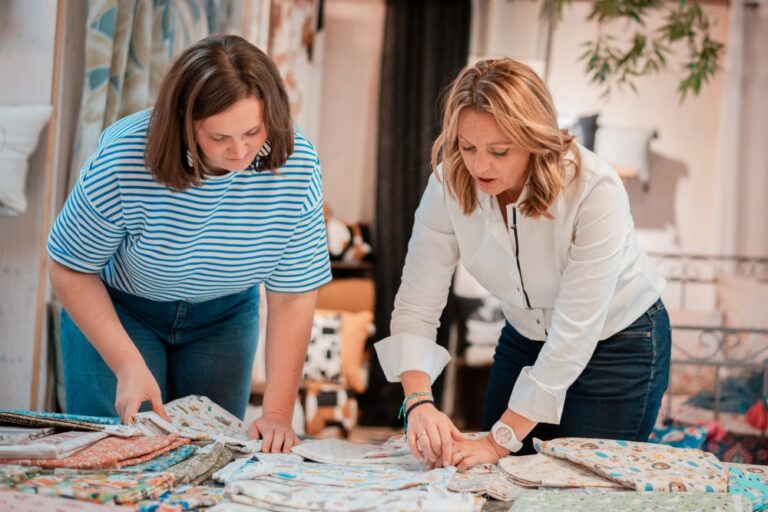
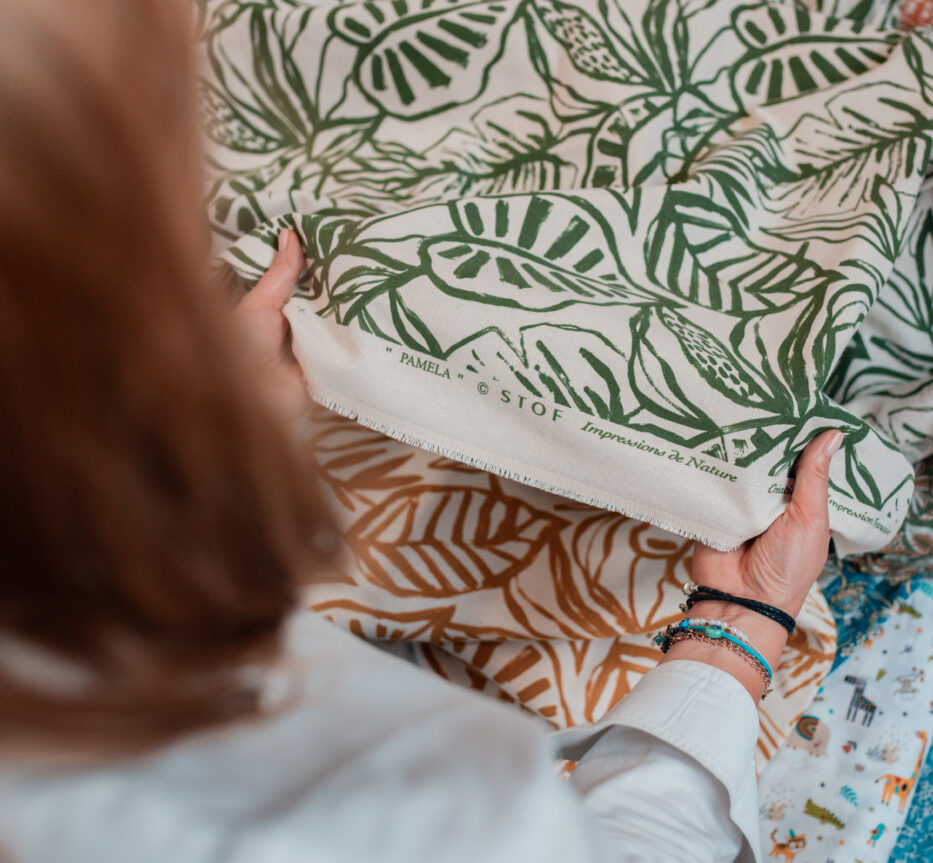
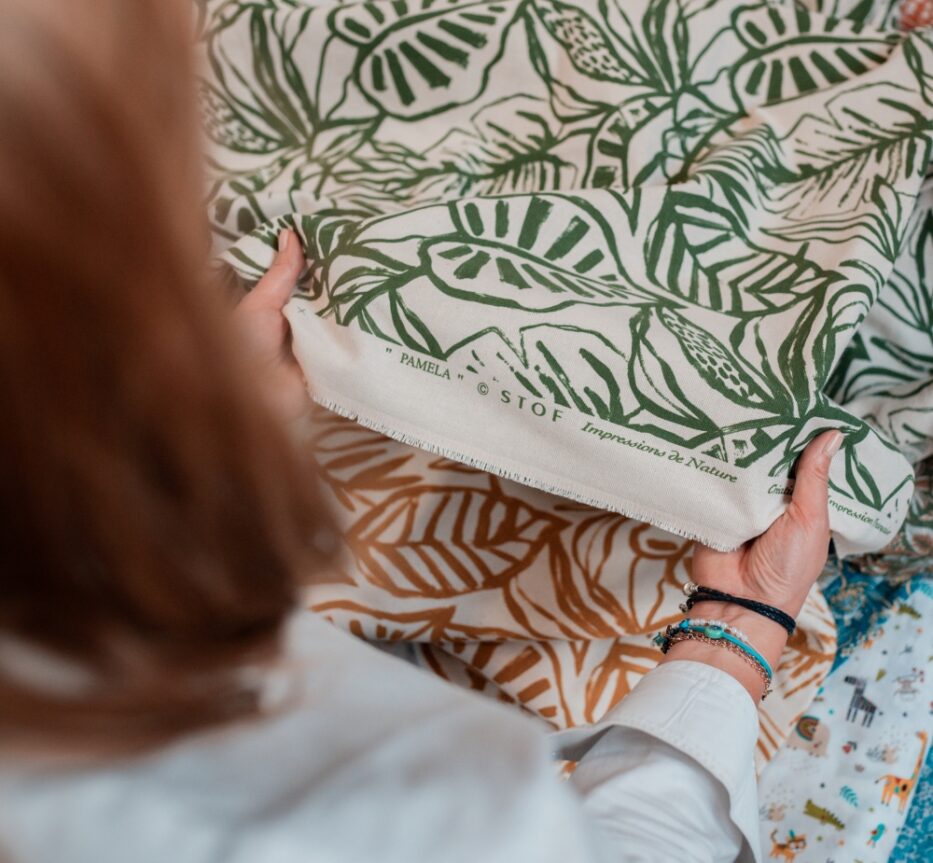
At STOF, we come from textiles. It's our trade, our culture, our way of looking at the home. We have this particular sensitivity to fabric, to its drape, its feel, its color, its ability to transform a room. 

Since our merger with JJA, this textile culture has been part of a broader vision of Home Beauty: making the home more beautiful, warmer, and more personal, while remaining accessible. STOF champions this love for the product and this desire to make beauty accessible to the greatest number.

Find the right tempo

The biggest challenge in our profession is probably timing. We work on our collections 12 to 18 months in advance. So we have to anticipate what's coming, without being too ahead of the curve. We need to offer something new, without losing touch with what consumers are ready to welcome into their homes.

It's a subtle balance. Being too late means offering a collection that already looks dated. Being too early means taking the risk of creating a disconnect. The right style is often the one that arrives at the right moment: new enough to be desirable, accurate enough to be understood.


To do this, we remain very attentive to feedback from the field. Customers, salespeople, suppliers, teams: everyone participates in this market reading. Style is not an isolated intuition. It is an intuition nourished by exchange.

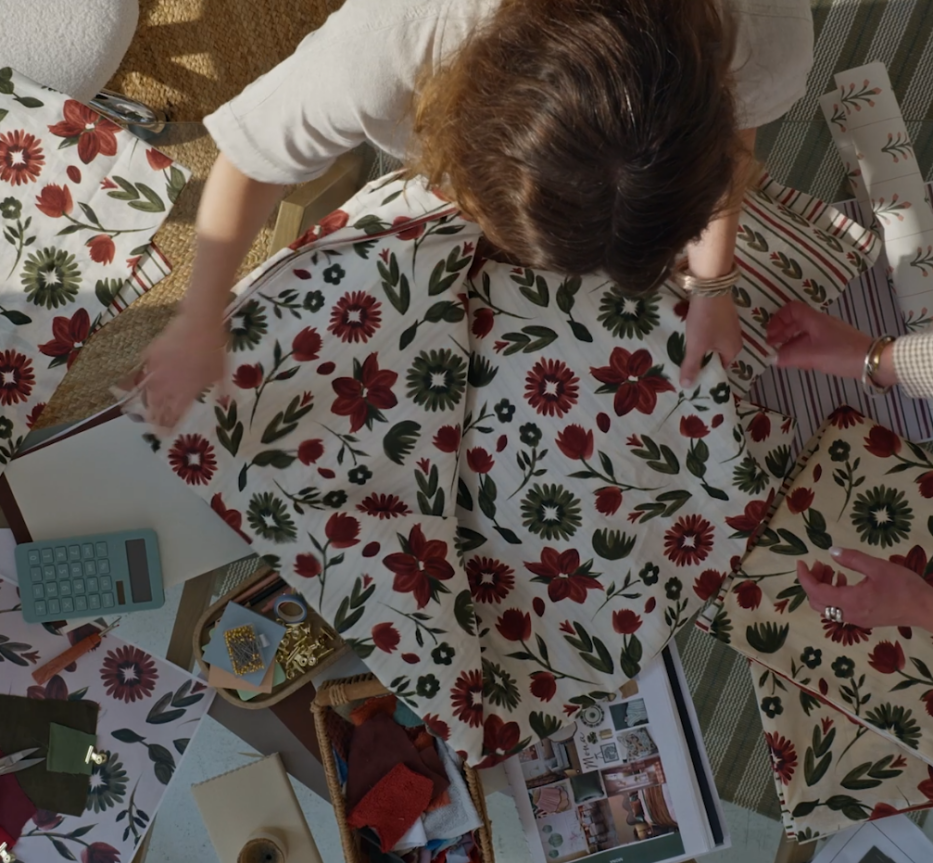
This relationship with the field is part of our way of working. The style is not a top-down decision. It is verified, nuanced, and confronted with usage. A product may be very beautiful on an inspiration board, but it must then find its place in a real home, within a radius, within a budget, within a season.

Make beauty accessible

At JJA, this notion of accessibility is central. It doesn't mean simplifying the style or abandoning quality. On the contrary, it means working on each product so that it can reach a wide audience, without losing what makes it unique.

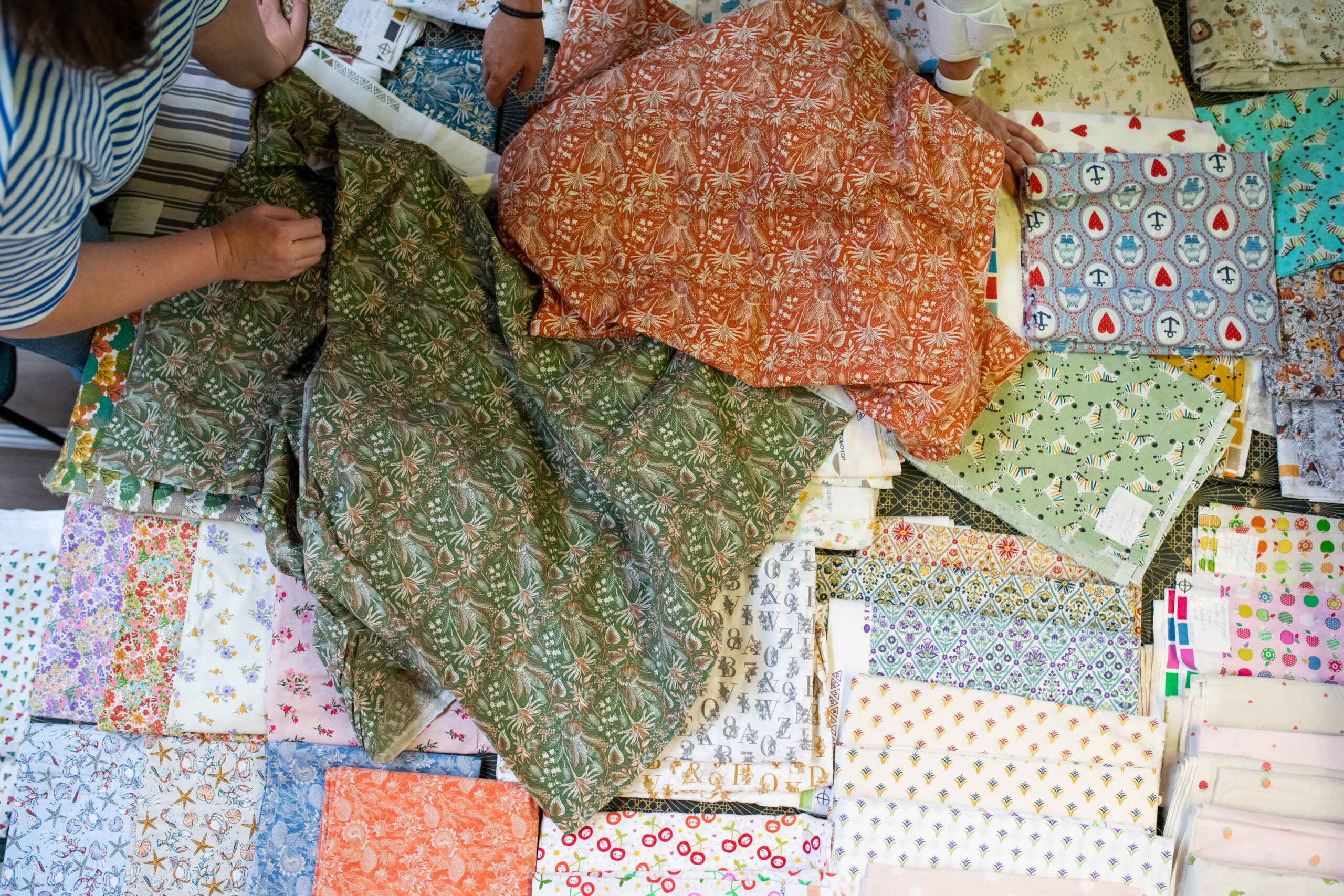
I like to summarize the STOF spirit with this formula: chic and pop. Chic, because we love beautiful products, elegant results, and neat finishes. Pop, because we love color and energy, but also because we want the style to remain close to people, their desires, and their daily lives.

This is where the partnership with JJA makes perfect sense. We share this conviction: style shouldn't be reserved for a few perfect interiors. It should be able to complement very different ways of living, respond to diverse tastes, and allow everyone to create a universe that reflects them.

Style should not confine

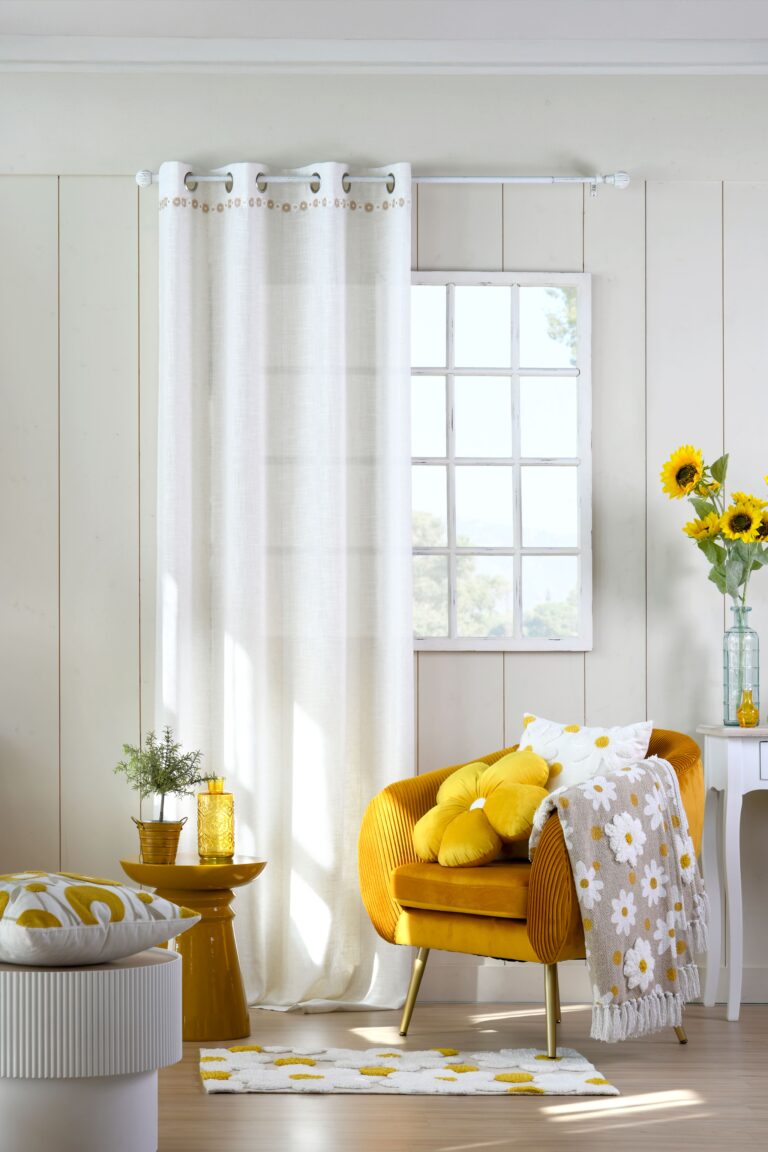
A successful style doesn't impose a single interpretation. It opens up possibilities. It can be natural, colorful, charming, rustic, seaside, Japanese-inspired, folk, or more contemporary. It can be expressed in a soft palette or a bolder pattern. What matters is the coherence between intention, product, and use.

At STOF, we have a strong culture of print, design, and color. But we also know that expectations are evolving. Natural or textured materials, relief effects, blends, and more sustainable products are taking up increasing space.

Tomorrow's style won't just be decorative. It will need to be more sensitive, more responsible, more attentive to perceived quality – what the consumer immediately feels upon seeing or touching the product – as well as lived quality – what the product confirms in its use. It must continue to be desirable, while meeting higher expectations for sustainability, durability, and product accuracy.

Create products that find their place

Ultimately, the role of style may be this: to create products that find their place. In an era, in a collection, in a home, in a desire.

A fair product is a product that feels obvious. It can surprise with a color, entice with a material, reassure with a more timeless shape. But it must always remain legible and sincere.

It is this accuracy that we seek season after season. Not to follow trends for their own sake. Not to create an out-of-touch style. But to imagine collections that speak to consumers, that customers desire, and that translate our love for the product.

I believe in a style that is vibrant, accessible, and demanding. A style that doesn't seek to dictate, but to inspire. A style that accompanies homes as they truly are: varied, personal, and evolving.