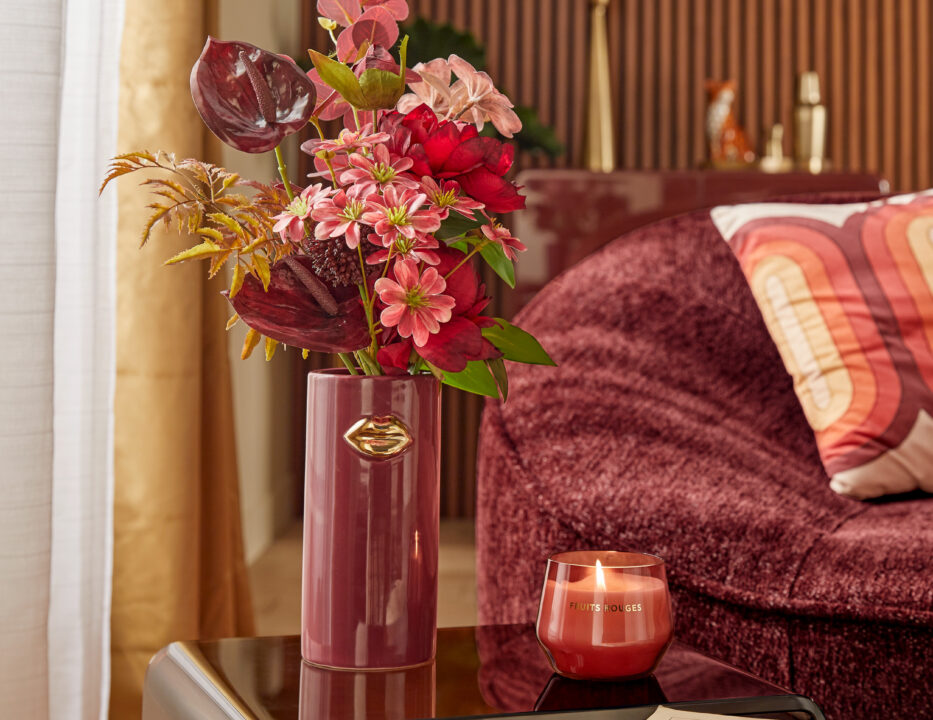
Burgundy vase filled with flowers on a coffee table near an armchair in the same tones.

With the return of good weather, flowers are once again gracing our homes, taking their place on our tables and shelves in their favorite containers: vases. It's easy to forget, as this simple object is so ubiquitous in our lives, that it is one of humanity's oldest creations. From utilitarian to decorative, from a symbol of prestige to mass production, the vase has traversed millennia and civilizations, transforming atmospheres, with or without flowers.


An accomplice to spring and florists, the vase anchors an interior. It complements the fragrance and composition of bouquets, captures light, and varies forms within your space. But to reduce the vase to this sole role would be to miss out on what it truly is: a decorative object in its own right, whose history and versatility deserve attention.

The vase, an object as old as civilization

Archaeological findings are conclusive: traces of decorated fired clay vessels are found in almost all sedentary cultures. Over 8,000 years ago, the sophistication and degree of ornamentation of ceramics from Mesopotamia and the Fertile Crescent reveal an attachment to the artistic nature of the object. As civilizations become more complex, the vase evolves with them; it becomes a container for oil, water, and wine, while also taking on a symbolic and artistic dimension that can be found even in funeral rites. 

This dual nature, utilitarian and decorative, has endured through the centuries without faltering, and the vase has continuously captured the gaze and taste of each era. Today, manufactured in a multitude of materials – blown glass, stoneware, earthenware, waxed concrete, metal – it reflects the changing sensibilities and trends of each period. This longevity and plasticity make the vase a unique object: simultaneously rooted in a millennia-old history, and perfectly contemporary.

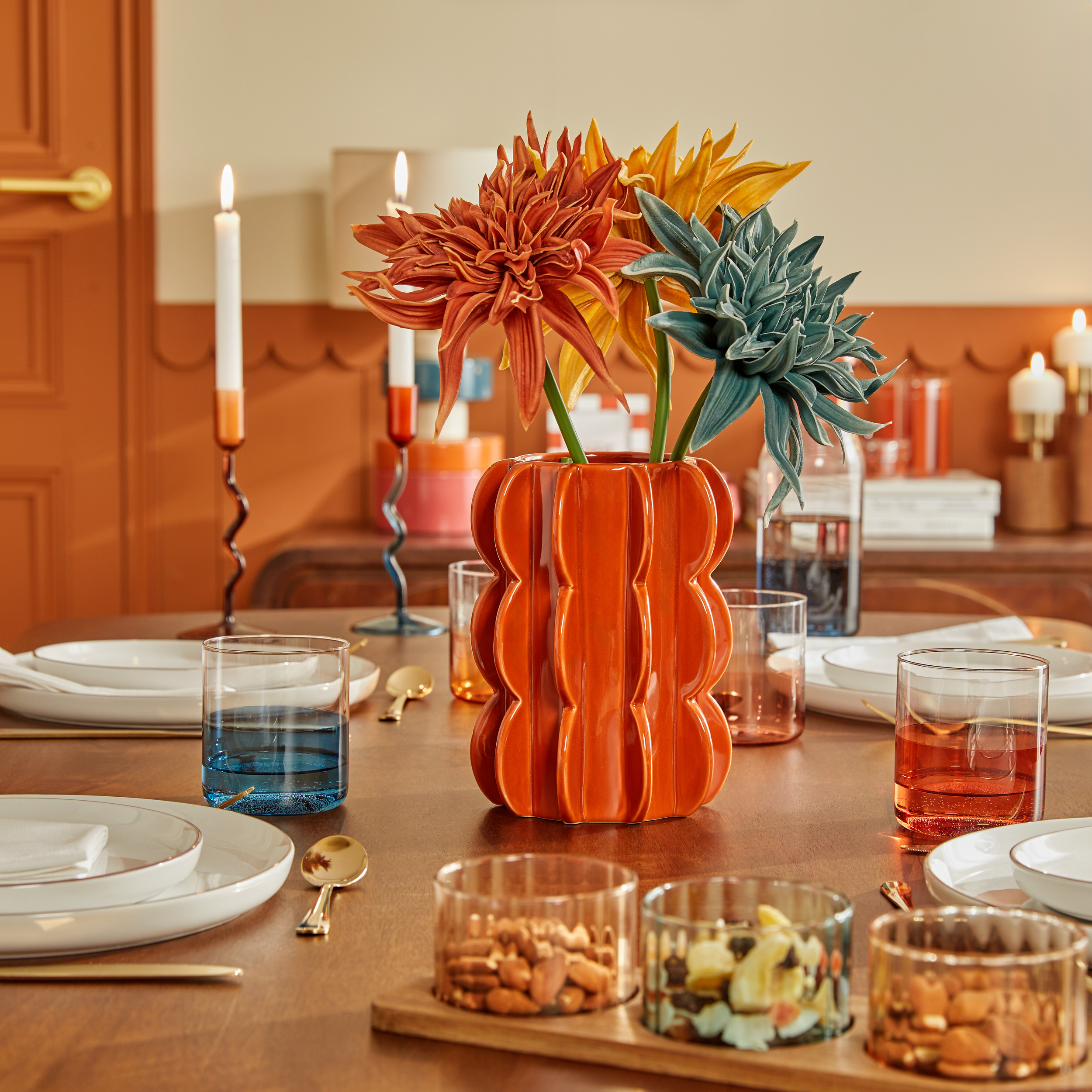
Orange vase on a wooden dining table with large flowers inside

The vase beyond the flowers

While a vase and flowers form an obvious duo, one doesn't need the other to fully exist. A beautiful vase placed alone on a console or shelf acts like a small sculpture: its silhouette, material, and color speak for themselves. Amber blown glass that filters light, matte stoneware with an organic presence, clean white against a dark background – an empty object isn't an unfinished object. Willow or dried eucalyptus branches, pampas stems, dried flowers in warm hues: these are graphic materials that take advantage of the vase's shape without replicating the classic floral arrangement.

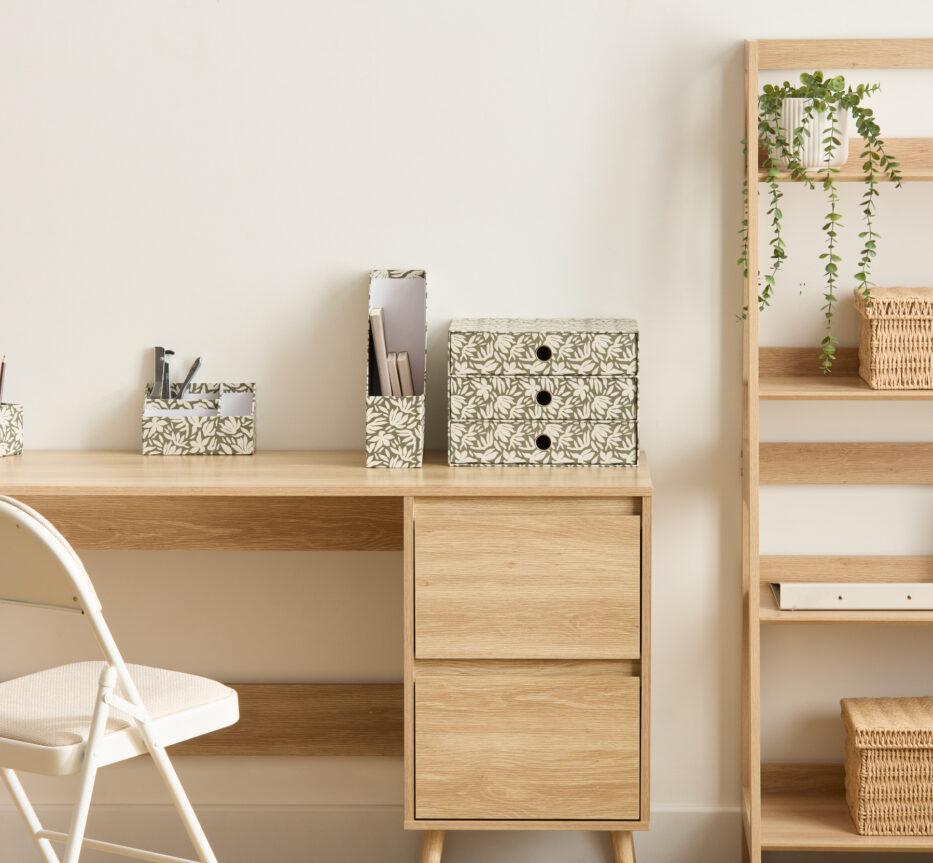
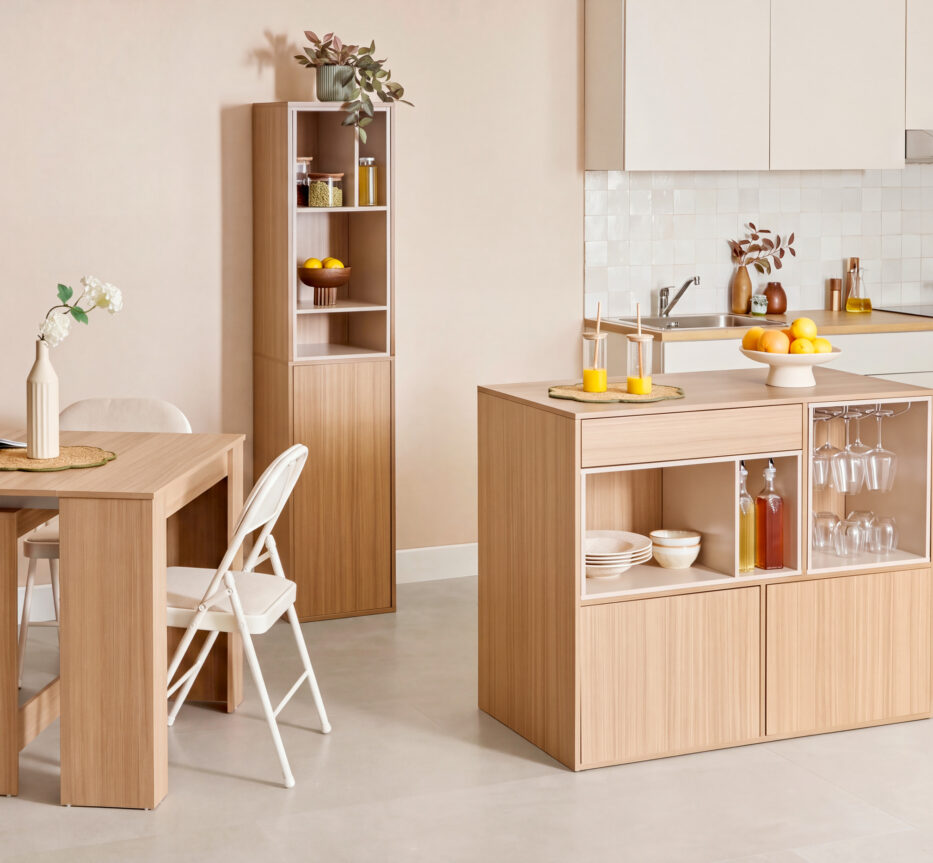
The vase can also be improvised into an elegant storage item. A large cylinder can hold kitchen utensils, a single-flower vase can be adapted as a pencil holder on a desk, while a colored glass vase only needs a tea light to diffuse a soft light in a bedroom. This is the spirit of Home Beauty in its most practical form: giving aesthetics to the most functional everyday objects.

 Which vase for which room?

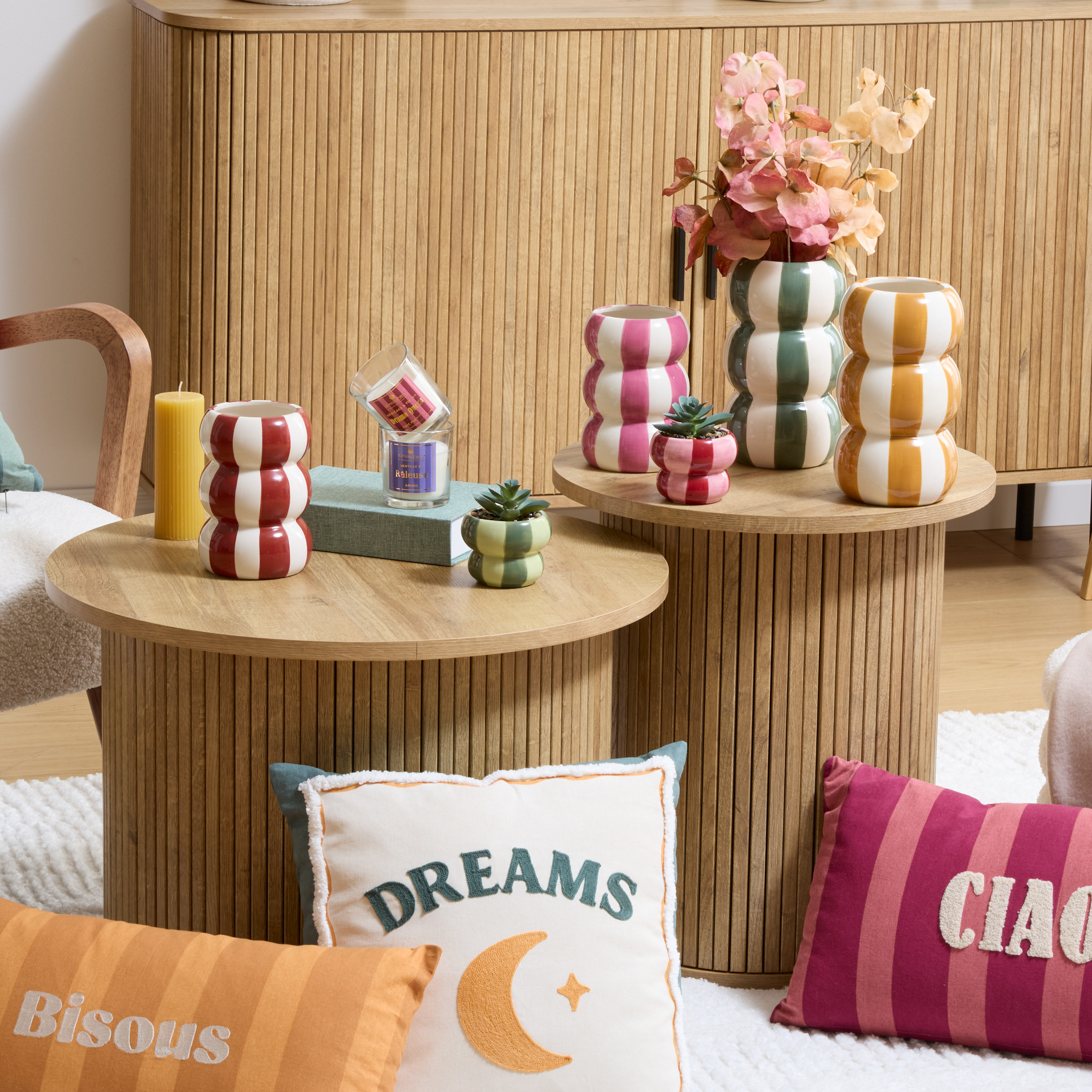
Visit salon, a trio of vases of different heights on a sideboard creates a sculptural composition, while a single bouquet of peonies on a coffee table is enough to set a spring mood. entrance, a vase placed on a console—a cherry blossom branch, a single flower in a vase, or simply a beautiful empty stoneware piece—sets the tone for the whole house before you even step inside. In the bathroom, A few sprigs of lavender in a small, clean ceramic vase bring the room into an intimate and relaxing spa register. In the office, Finally, a small, light plant composition reminds us that well-being at home also comes from the spaces we use, not just those we display.

In short, the vase is one of those objects that transcend ages and cultures without ever being fixed in a single use. From the Neolithic container to the contemporary ceramic piece, it has always managed to combine the practical and the beautiful, function and form. In spring, when flowers reappear and interiors awaken, it naturally resumes its place and invites the question: why stop at flowers?