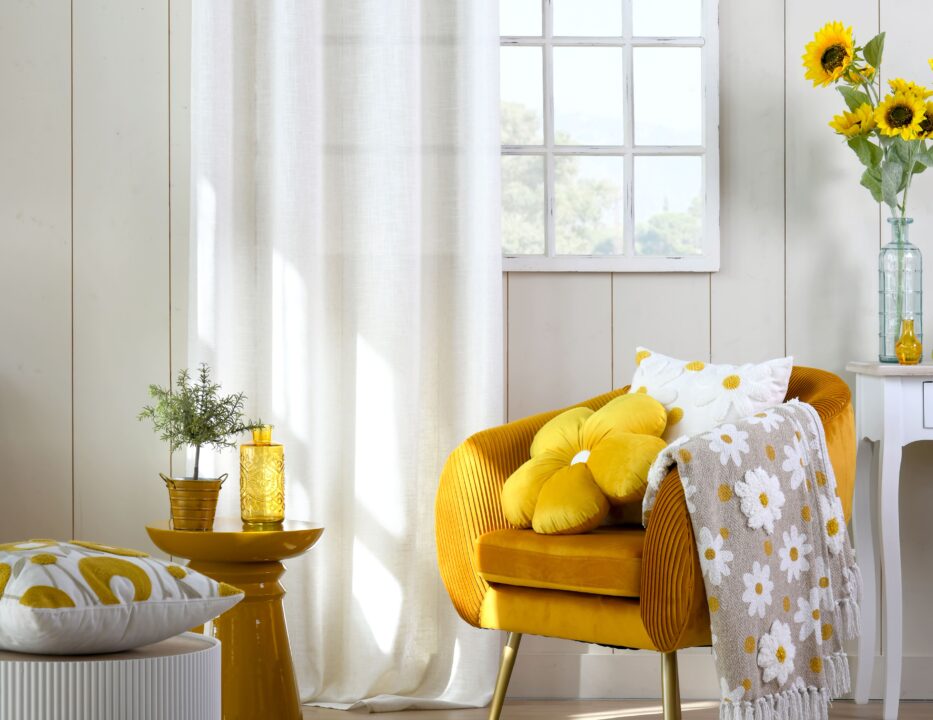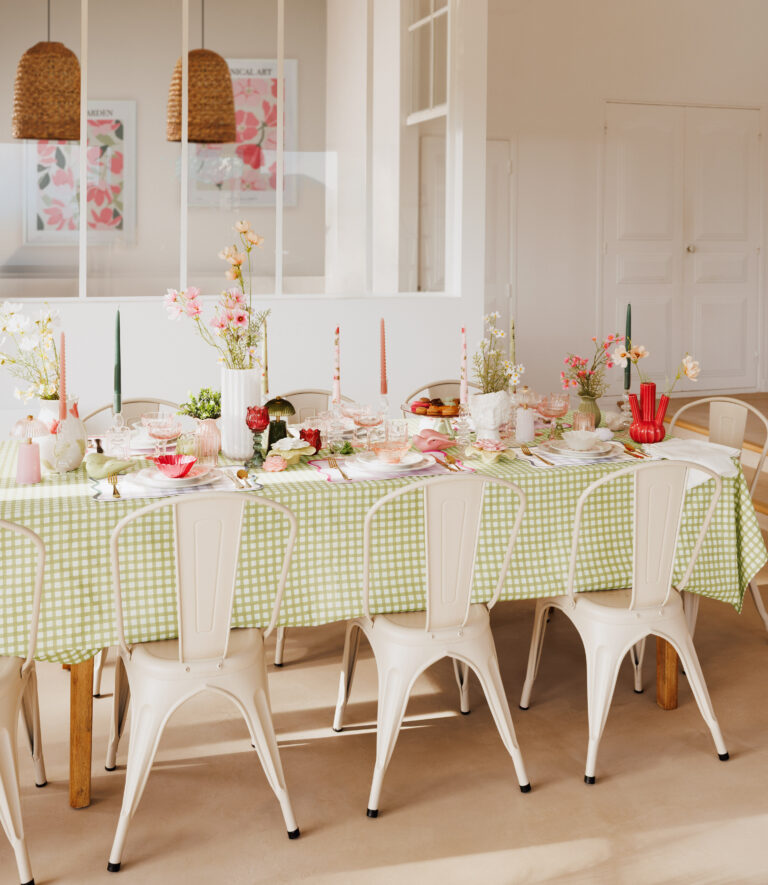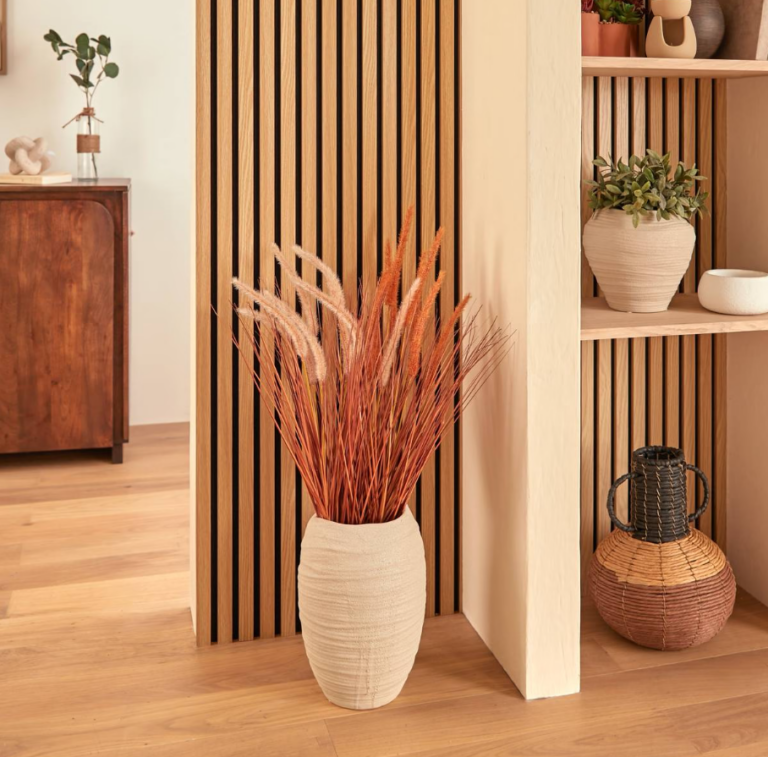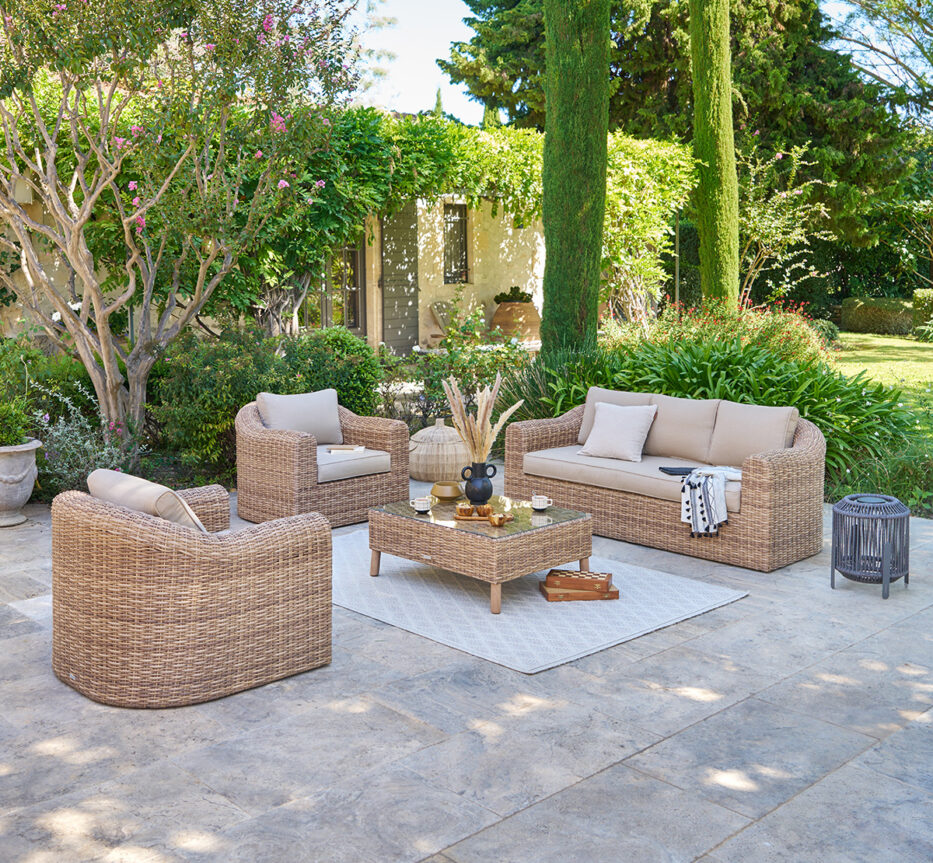
You've probably noticed: what was «outdated» for a while becomes desirable again. Rattan, honey-colored woods, chocolate hues, graphic patterns... When it comes to decorating, déjà-vu is almost a driving force. Your desires evolve, but they often return to familiar reference points: a material, a color, an ambiance. It's as if the interior is seeking a balance between novelty and continuity.

The need to look like... and the need to stand out

The first explanation for this phenomenon is almost paradoxical: when it comes to decorating, we want to be «in tune with the times», while retaining our uniqueness. Sociologist Georg Simmel, in his article «Fashion», published in 1895, described fashion as «a pure product of social needs», a constant interplay between imitation and distinction

In decorating, we see the same mechanism: when an aesthetic becomes highly visible, it spreads. Then it passes a stage where it becomes «too visible» and no longer seems so desirable. And another style emerges. The cycle starts again!

Nostalgia: an emotion that shapes our interiors

A second driving force behind deco cycles? Nostalgia. A style comes back because it reactivates a familiar atmosphere. A material, a color, a pattern can recall a family home, an era, a feeling of comfort. When it comes to decorating, you can't choose with your eyes alone! Honeyed wood, retro prints, crockery with antique motifs: these details give the impression of a warmer, more lived-in interior. 

So a style doesn't come back just because it's deemed beautiful, but because it tells a story, activating the emotional memory. And in an interior, emotion counts as much as aesthetics.

Styles that go by fast... and blend together

It's often said that trends come back «in waves»: they disappear for a while, then reappear with a fresh air, as if decorating were moving forward at a fairly regular pace.

With the instantaneity of social networks and inspiration platforms, an aesthetic can become visible everywhere in a matter of days... Then be replaced just as quickly. The way we consume interior design follows this trend: we spot an idea, adopt it in small steps, and renew it more frequently. 

As a result, the returns seem faster and more numerous. And, above all, they can intersect, respond and blend. An interior can easily combine a very contemporary base, a vintage piece with retro charm and a more pop or bright note, without seeming incoherent. Styles are superimposed and recomposed, and this is what makes interior design so lively: it often moves forward by reinterpretation, rather than by a complete break with what has gone before. 

 A need for novelty, without starting from scratch

If decorating is cyclical, it's also because pure novelty remains rare - and sometimes difficult to adopt. We take a familiar base, then shift it. Caning returns, but in a more graphic version. A warm hue reappears, but combined with more contemporary lines. A country spirit reappears, but more minimal, more refined. 

It's reassuring to be able to integrate an ambience that already speaks to us, and practical: it's easier to renew your decor by mixing new and old elements. 

Color, the perfect example of deco cycles

Color is a perfect illustration of this logic. A hue may return regularly, but never with the same intention: it changes nuance, material. A green, for example, has a different story depending on whether it's set on velvet, linen, glossy ceramics or a matt wall. And it's often this new «staging» that makes the return credible! 

Follow the cycles without getting lost

Deco cycles can give the impression that you have to keep up a rhythm. In reality, it opens up a whole range of possibilities: if everything comes back, you can choose what suits you more calmly, instead of chasing after every new thing.

A few simple guidelines can help you think through your decorating scheme

  • A stable base: timeless shapes, materials that stand the test of time, a palette that's easy to live with. It leaves room for evolution.
  • Moving touches: accessories, small furniture, linens, decorative objects... Everything that can be changed without redoing your interior.
  • Personal consistency: what really appeals to you (textures, moods, colors) is often more reliable than a micro-trend seen ten times a week. 

Trends come and go, come and go... But they never come back exactly the same. They reinvent themselves, as do our ways of living, consuming and projecting ourselves.

And this is perhaps the most interesting thing: in this movement, you keep the upper hand. Cycles exist, but your interior remains your signature. At JJA, this is the spirit of Home Beauty: we love the idea of an interior that renews itself without denying itself. A home that stays true to you, while letting in the spirit of the times, through a material, a hue, a simple, well-chosen piece.