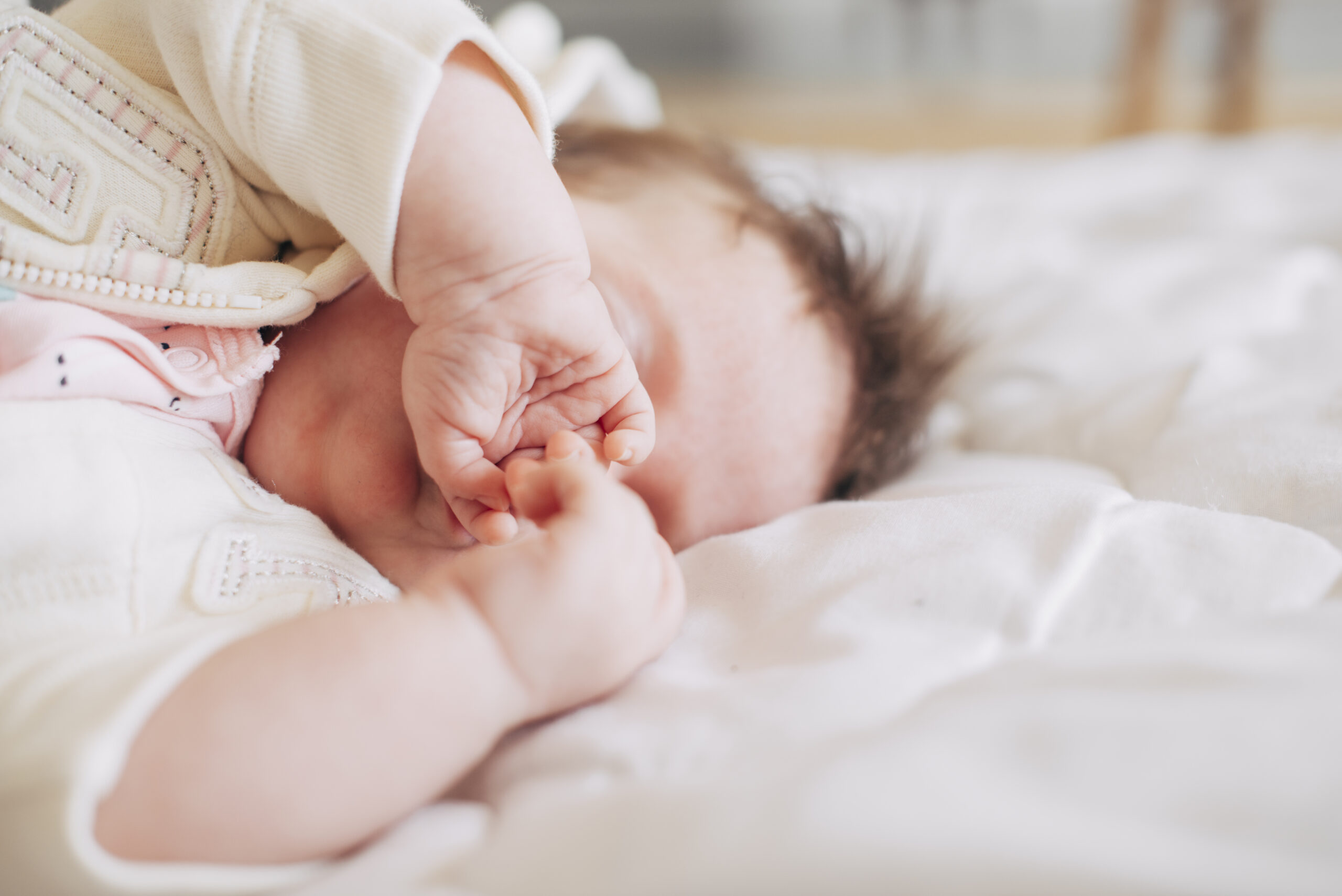
The layout of your baby's room plays a decisive role in the quality of his sleep. How do you create the ideal space, between safety and a restful environment? Caroline Ferriol, a psychoeducator specializing in sleep for babies and children, and founder of Fée Dodo, a group of experts specializing in sleep and nutrition for toddlers, shares her recommendations for transforming the bedroom into a cocoon conducive to falling asleep and a peaceful night's sleep.

What are the basic safety rules for your baby's bedroom?

According to the recommendations of the World Health Organization and health professionals, babies should be put to sleep on their backs, on a firm mattress, in a bed that conforms to standards, with no pillows, blankets, thick bumper pads or stuffed toys. The room should be well ventilated, kept at a temperature of between 18 and 20 degrees, and baby should be dressed in a suitable sleeping bag. Of course, all potentially dangerous items, such as curtain cords, plugs or small objects, must be kept out of reach.

Designed by Freepik

What are the essential elements to take into account when designing your baby's bedroom to promote good sleep?

To promote sleep, you really have to think about your child's biological needs. Three parameters are essential: temperature, calm and darkness. Temperature is absolutely crucial, because above 20 degrees, the body has difficulty lowering its own temperature, which is essential for falling asleep - and staying asleep. 

The bedroom should be dedicated to sleep: no desks, no electronic equipment, no storage boxes... And keep the Wi-Fi terminal away, ideally turned off at night! 

As for darkness, it's crucial for the production of melatonin, the sleep hormone. Up to two-and-a-half or three years of age, aim for complete darkness for the nights, and even for naps if baby has trouble prolonging them. Nightlights? Not only is it useless before this age, it can also disrupt sleep. Toddlers are not afraid of the dark. After the age of three, if your child is afraid of the dark, opt for a very soft, low, warm, indirect light.


How to position the bed in the bedroom?

Where to put your baby to bed is essential for a good night's sleep! Whether baby sleeps in his own room or in his parents', his bed should be in a quiet place, away from windows and radiators, and far from direct light sources. The aim is to avoid draughts, temperature variations and visual stimuli. 

Whenever possible, it's best to place the bed in a corner of the room, to satisfy the need for nesting. Like all mammals, children need to feel protected. In a corner, the bed creates a reassuring cocoon effect. 

Finally, ideally, the child should be able to see who is entering and leaving his room from his bed when he's lying down.

Do bedroom colors and decor affect sleep?

Absolutely, they influence the general atmosphere and can make the room more conducive to rest or, on the contrary, to excitement. Soft, soothing shades are preferable: strong contrasts can stimulate the child and make it harder to fall asleep.

In concrete terms, hanging objects above the bed and busy wall decorations are to be avoided. It's better to opt for low elements, such as a pretty rug, which will stimulate the child when he's playing, but not when he's lying down! 

Also, beware of objects that combine light and music, which are ultra-stimulating and focus the child's attention in the same way as a screen. White noise can be used for infants, to reproduce the sounds in utero, or play a lullaby during the bedtime ritual. But it's not a good idea to keep music playing continuously during sleep, as there's a risk that the child won't be able to go back to sleep without it if he or she wakes up during the night.

Do these recommendations apply to all ages? 

In the first two months of life, baby is setting his circadian clock, so the layout is less important. But between the ages of four and six months, it's really essential that he has a suitable place to sleep for his naps and nights. 

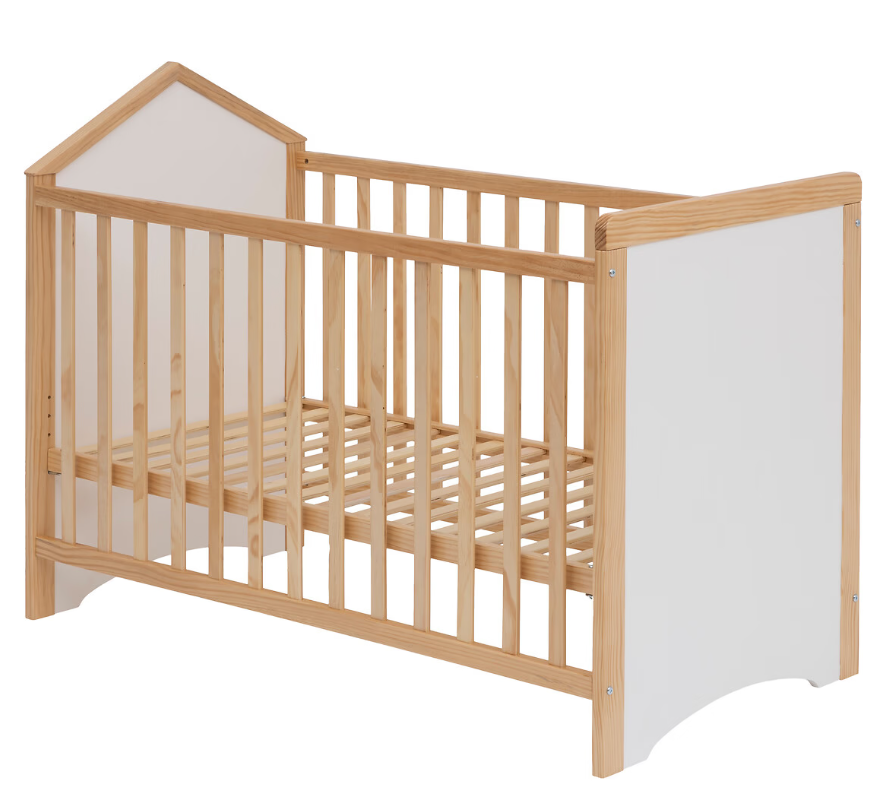
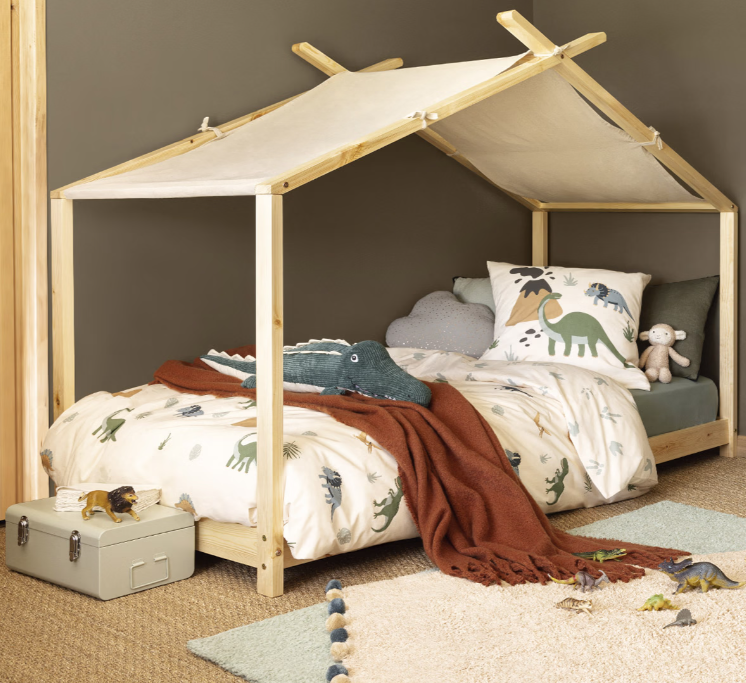
Then, as the child's motor skills evolve, so does the bed: bassinet, cot with bars, then a big bed at around two-and-a-half or three years of age, when he can respect the «I'm not getting out of my bed» rule. But the key points remain the same at all ages: pay attention to temperature, the need for nesting and security, and avoid over-stimulation as much as possible.

Caroline Ferriol is a psychoeducator and sleep expert for babies and children. She founded Dodo Fairy in 2019, which has since accompanied over 100,000 families. An author, she has written Le Grand Guide du Sommeil de mon bébé, My baby cries a lot, and the three-volume collection Une mission pour Fée Dodo : Arthur takes a long time to fall asleep, Louise won't go to bed and Jade wants to sleep with her parents.