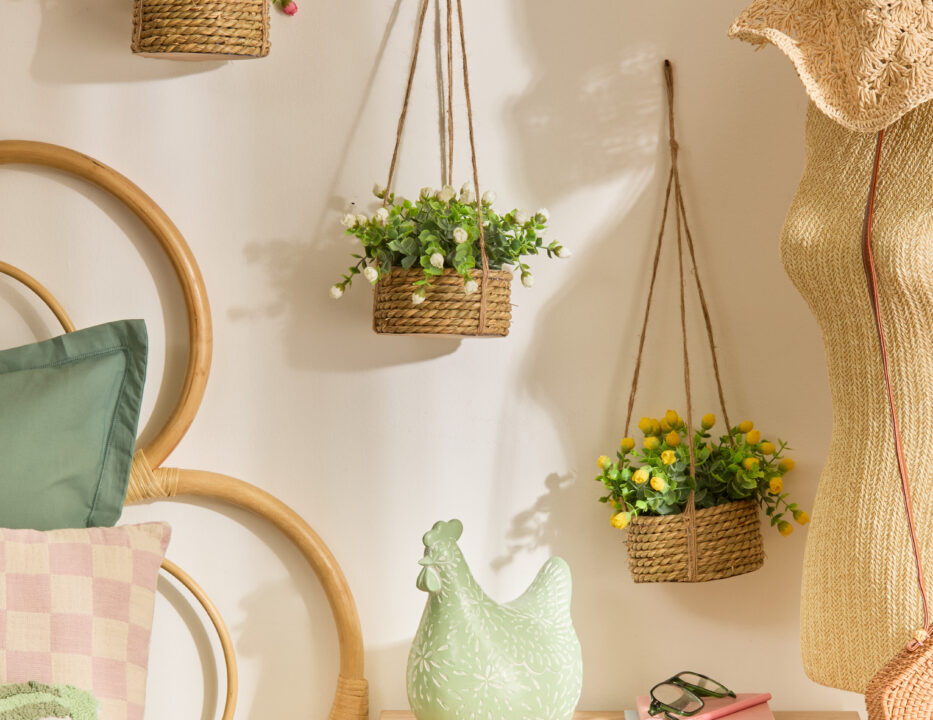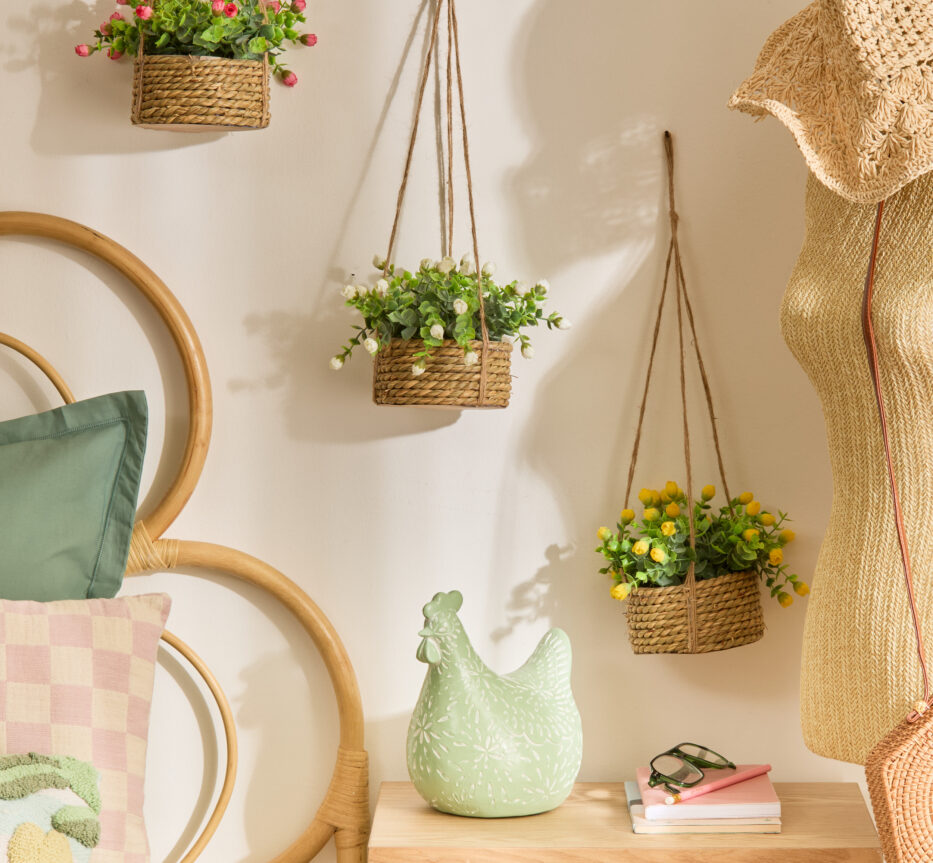
The presence of plants in our interiors has an immediate effect: it soothes, structures space and brings a feeling of freshness. When the weather's fine, a balcony or window opening onto the outside may suffice. But as soon as the cold and dreariness set in, the desire to bring nature into the home becomes more pressing.

And yet, many have had disappointing experiences: fragile plants, flowers that fade too quickly, demanding maintenance. What if the solution lay elsewhere? Long associated with a low-quality image, artificial plants have undergone a profound evolution. Today, they come in a wide variety of shapes and foliage, with surprising realism.


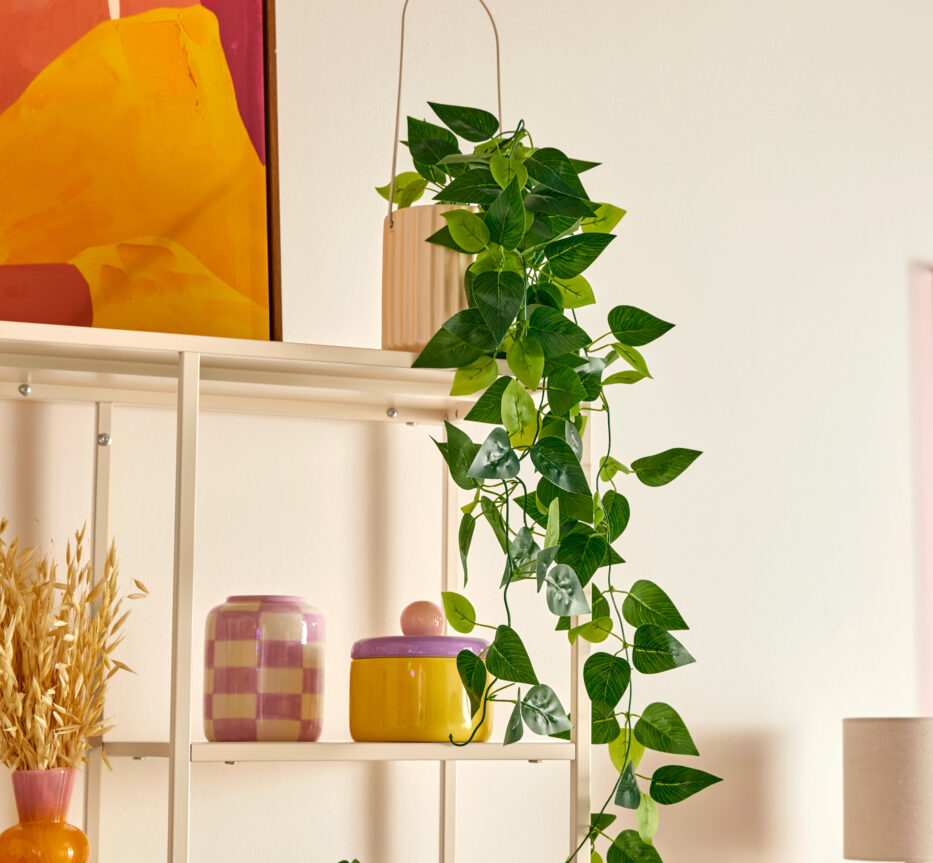
Made from more sophisticated materials - fabric, foam, paper or fiberglass - they have nothing in common with the plastic of yesteryear. The result: decorative plants that are often mistaken for natural ones.

Clear day-to-day benefits

Artificial plants can be adapted to any interior, even those with low light levels or high temperatures. They allow you to dare to decorate with plants, without having to worry about watering, exposure or prolonged absences.

Another advantage: they retain their appearance over time. No falling leaves, no wilting flowers. They're also safe for children and pets, since there's no risk of poisoning. 

How to integrate artificial plants into your decor

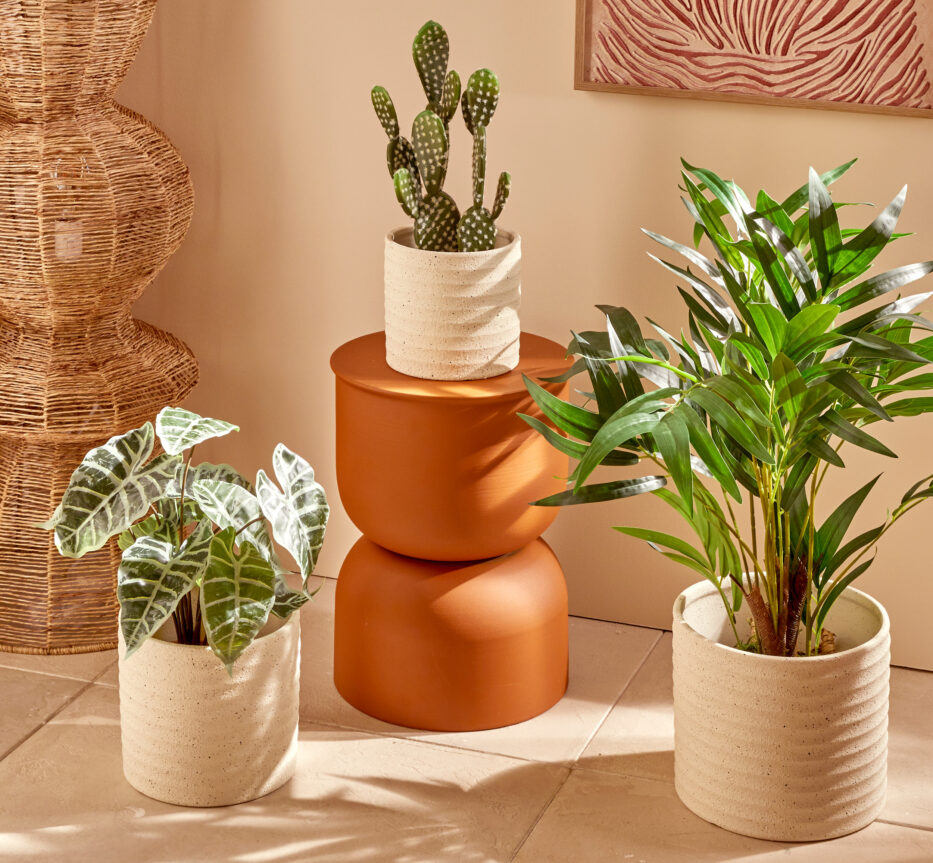
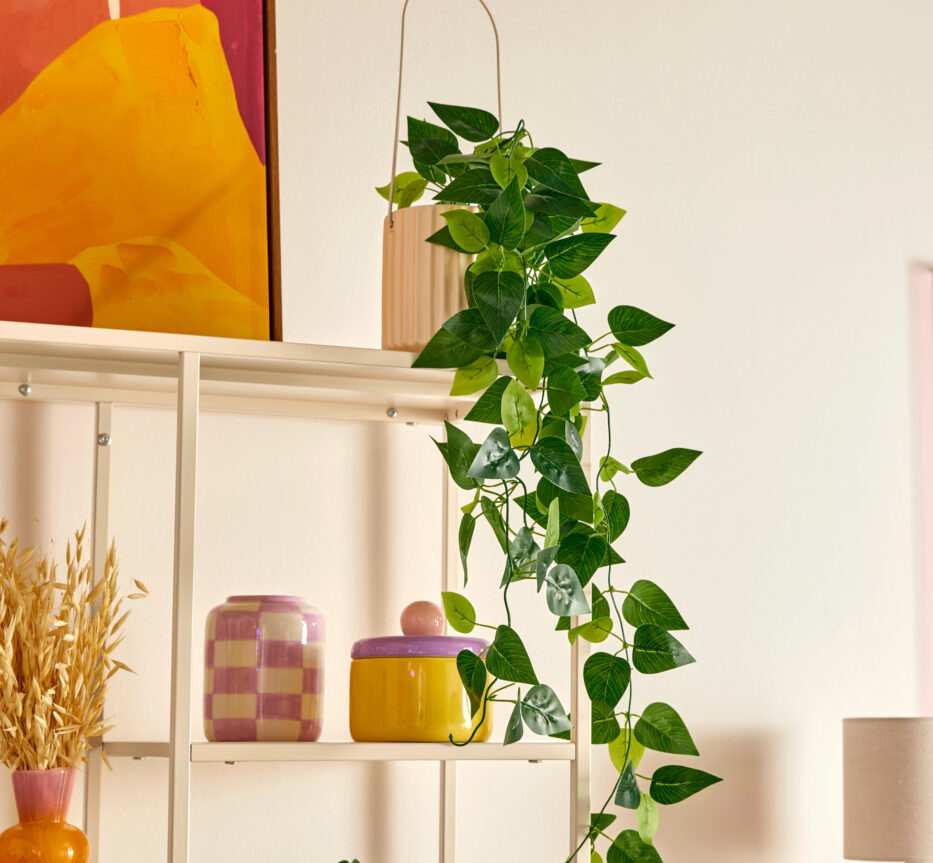
Any room can accommodate an artificial plant, provided the setting is well thought-out. In an entrance hall, a composition of cacti or succulents creates a warm, graphic atmosphere. In a living room with generous volumes, large plants - palms, ficus or philodendrons - reinforce the jungle effect and structure the space.

Mix artificial and natural plants for greater realism, and play with materials: wood, plant fibers, terracotta or mineral decorations. The choice of planter is essential. Whether discreet or generous, it must be in proportion to the plant and consistent with your decorative style.

Lighting adds the finishing touch. Spotlights aimed at the foliage or bamboo lanterns highlight the volumes and create a natural ambience.

A green interior, conducive to well-being

Numerous studies show that the presence of greenery in living and working spaces contributes to well-being. Visually greener environments promote relaxation, stress management and good mood, especially in telecommuting spaces.

Vegetating an office or living area with artificial plants creates a more pleasant atmosphere, without the need for maintenance, while evoking the visual and emotional benefits of nature.

Quick and easy maintenance

Maintenance of artificial plants is minimal. A feather duster or a blast of cold air is all that's needed to remove dust. In the event of stains, a slightly damp sponge with a little soapy water cleans the leaves, before gently drying.

Today, artificial plants offer an aesthetic, long-lasting and stress-free decorative solution. At JJA, we see them as a simple way of inviting nature into your home, and bringing your Home Beauty to life.


 The effects of plants on the living environment and human health, INRAE