Beyond the cutlery and crockery, setting a table is an art that tells a story of sharing, refinement and conviviality. Every gesture counts, every object has its place. From the choice of materials to the arrangement of plates, the art of the table invites itself into our homes as a ritual of beauty and hospitality, where aesthetics meet the pleasure of the senses.

The art of the table: an ancestral spectacle

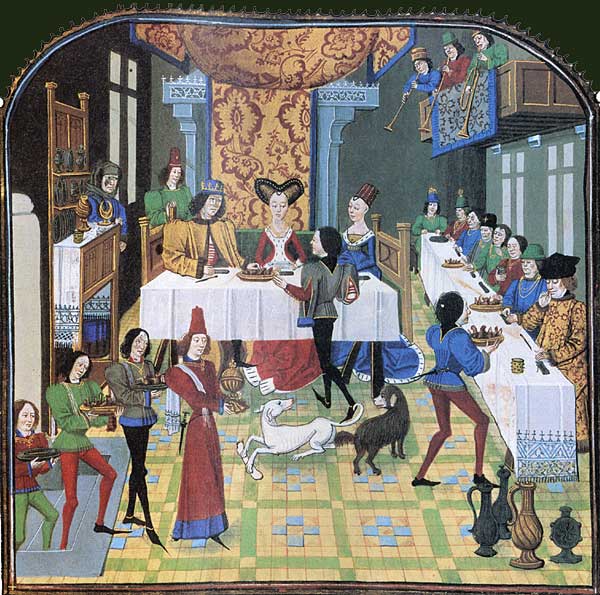
Long before it became an everyday pleasure, the art of the table was a veritable spectacle. From medieval meals eaten on trestles to Renaissance banquets, it has spanned the centuries, adapting to the codes of each era. period

Utensils became more refined: the slice of bread gave way to Italian earthenware, the fork, brought by Catherine de Médicis, gradually asserted herself. Stoneware, porcelain, pottery: a heritage that France has preserved. In 2019, it remained Europe's leading producer of tableware, ahead of Germany and Italy. A living heritage, constantly reinvented.

How do you arrange the serving pieces on the table?

Remember Pretty Woman?« I've got the salad fork well in mind. As for the rest of the cutlery, I'm getting a bit confused. », she used to say in her etiquette class. Here's a reminder of the basics of how to arrange the serving pieces on the table.

If you're setting your table in the French style, place the tips of forks and spoons towards the tablecloth. Historically, this orientation enabled guests to contemplate their hosts' coat of arms. In the English style, cutlery points upwards.

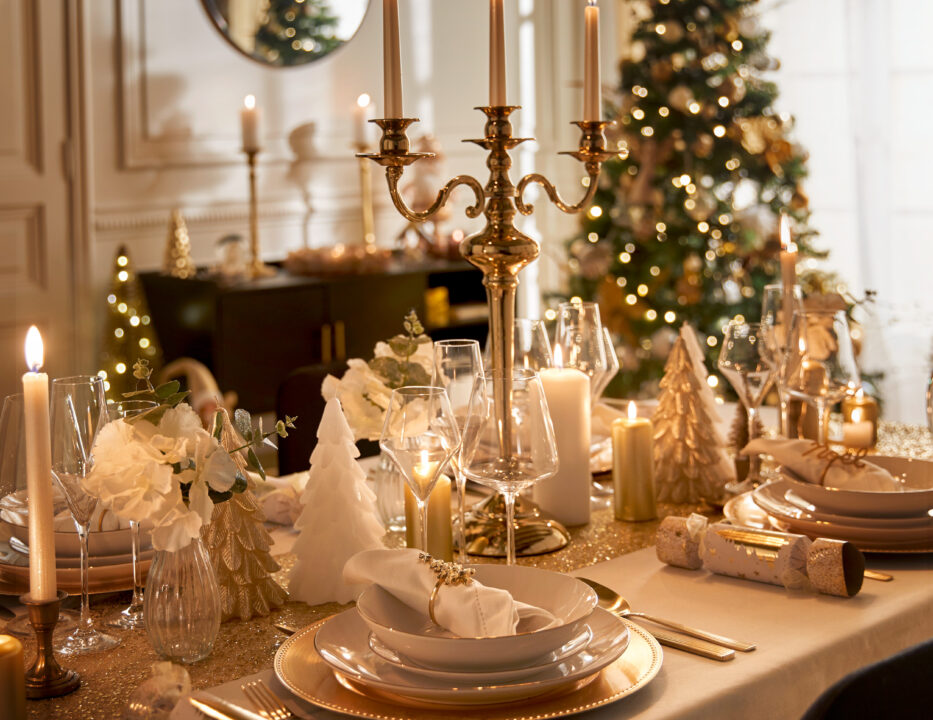
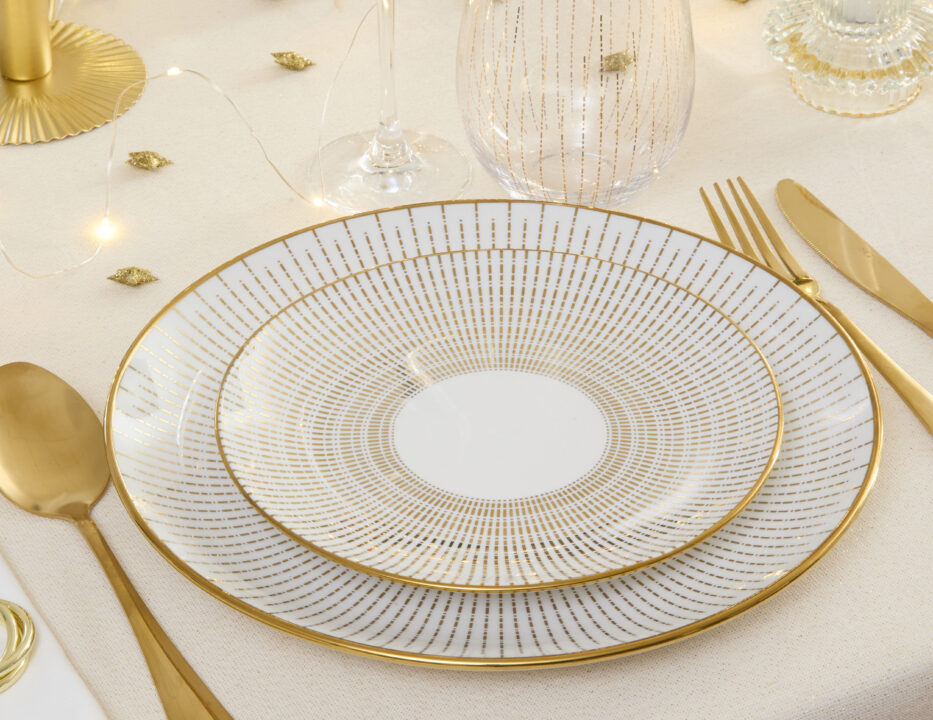
  • In the center, the plate Plates: hollow for soup, flat for main course. Cutlery is placed from the outside onto the plate, in order of use.
  • To the right, First, place the soup spoon, then the starter knife and the main course knife, placed right next to the plate.
  •  To the left, The logic is the same: the starter fork is placed on the outside, followed by the main course fork, closer to the plate. Above, the dessert cutlery lines up: cheese knife, spoon and fork.
  •  To the right, angled, On the left are the glasses: first the two wine glasses, then the champagne flute and the water glass. The small bread plate is on the left, with its butter knife. The whole ensemble forms a precise, discreet balance, where everything comes together naturally.

So many codes you can play with to set the scene for your meals! Now you can serve your sorbets in a champagne flute..


Tableware for every occasion

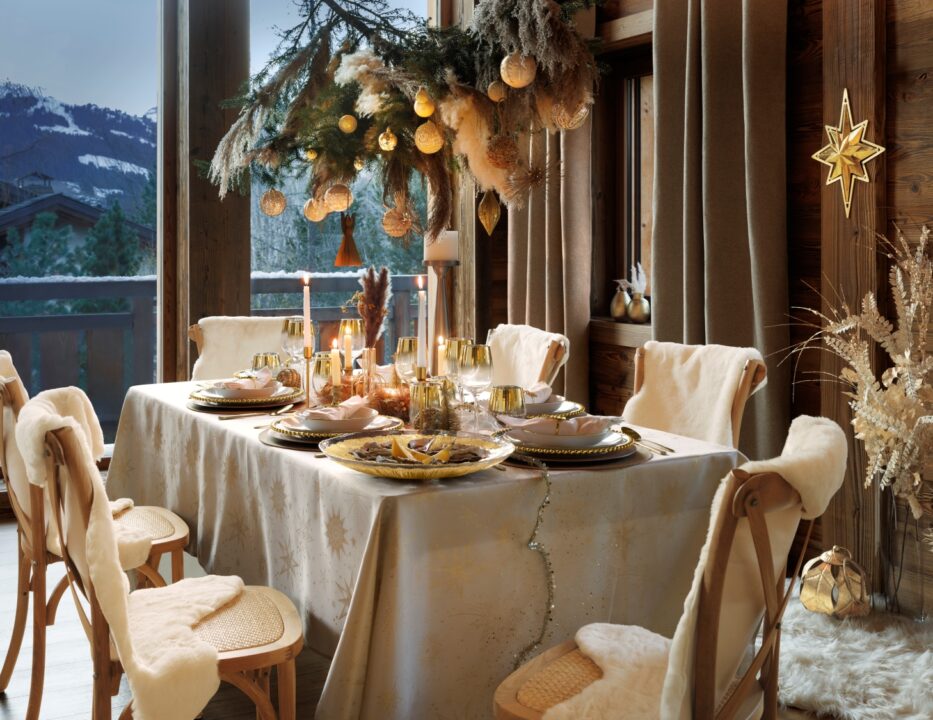
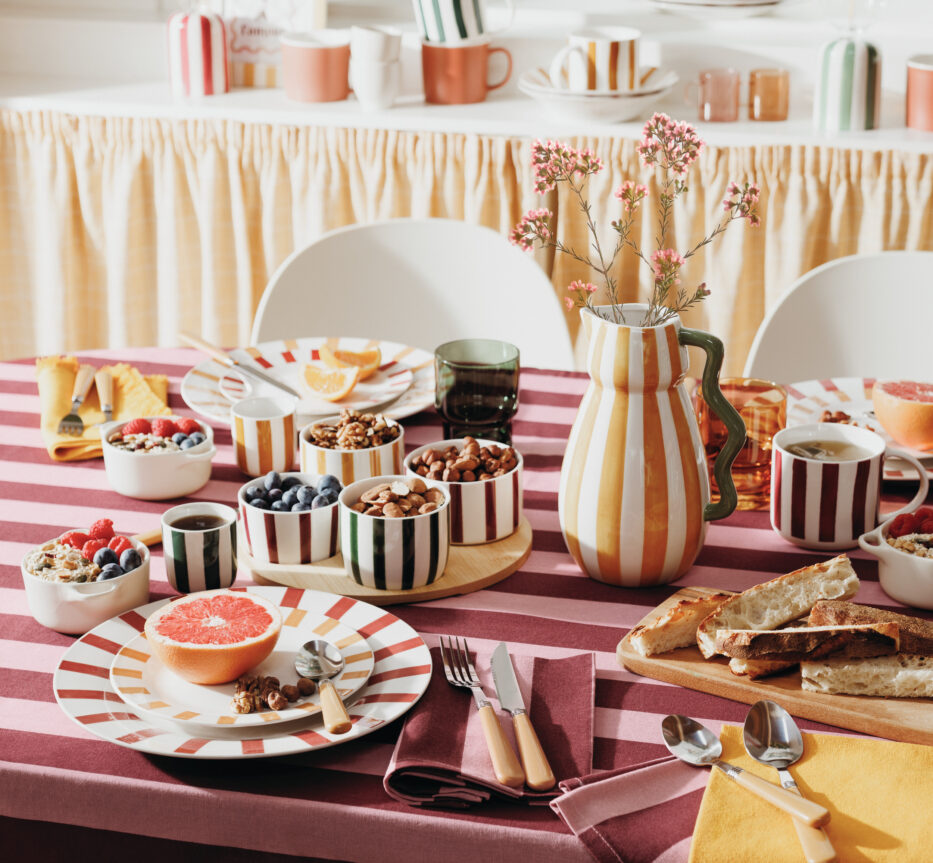
A table is like a living décor, changing with the seasons and the moment. In the morning, monochrome bowls and soft lighting invite you to relax. For a summer dinner, flowery or colorful plates evoke conviviality.

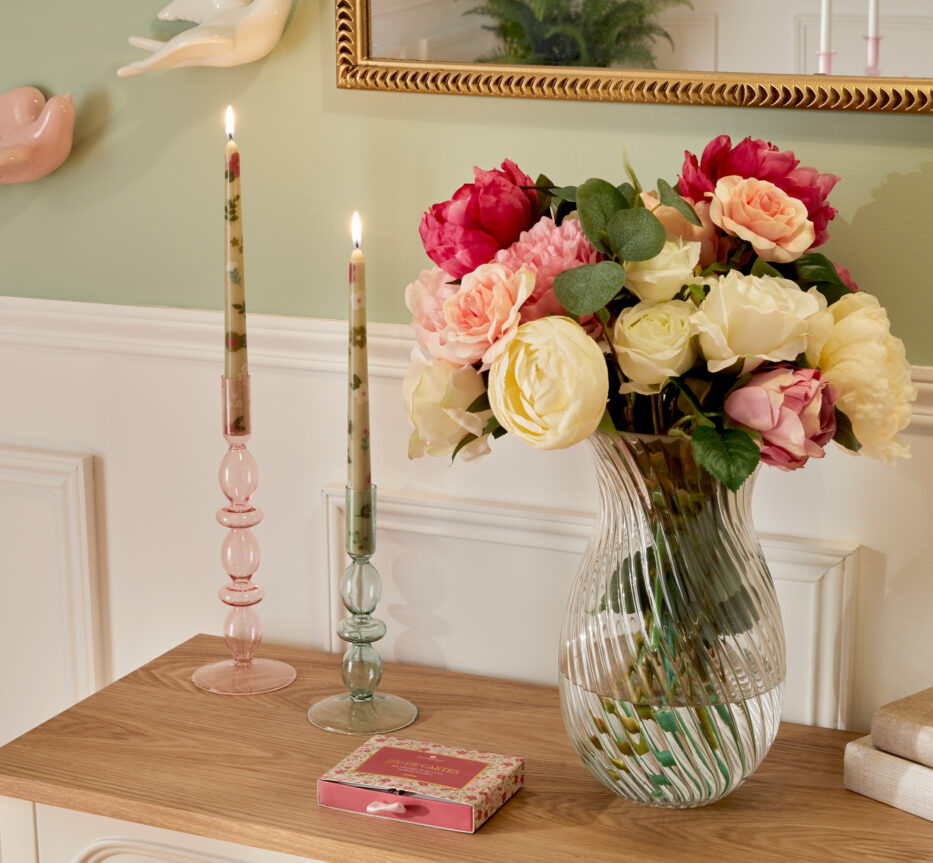
The clean lines of stoneware or raw wood suit a rustic chic style, while white porcelain brings elegance and clarity. A table runner, a few dried flowers and a set of fabrics are all you need to transform the atmosphere. 

The key is to create harmony between materials, colors and the emotions you wish to share.

A sensory and visual experience

Entertaining means offering a moment to be experienced. The choice of material - wood, glass, ceramic - sets the tone: natural, refined or festive. The shape of the table, too, influences the atmosphere: intimate when round, convivial when elongated. 

The tablecloth becomes a landscape: raw linen for a bohemian spirit, cotton for softness, polyester for practicality. Candles diffuse a warm light, highlighting the relief of the fabric and the texture of the plates. 

In this subtle interplay of light and materials, the art of the table becomes an art of living, where aesthetics meet the pleasure of being together.