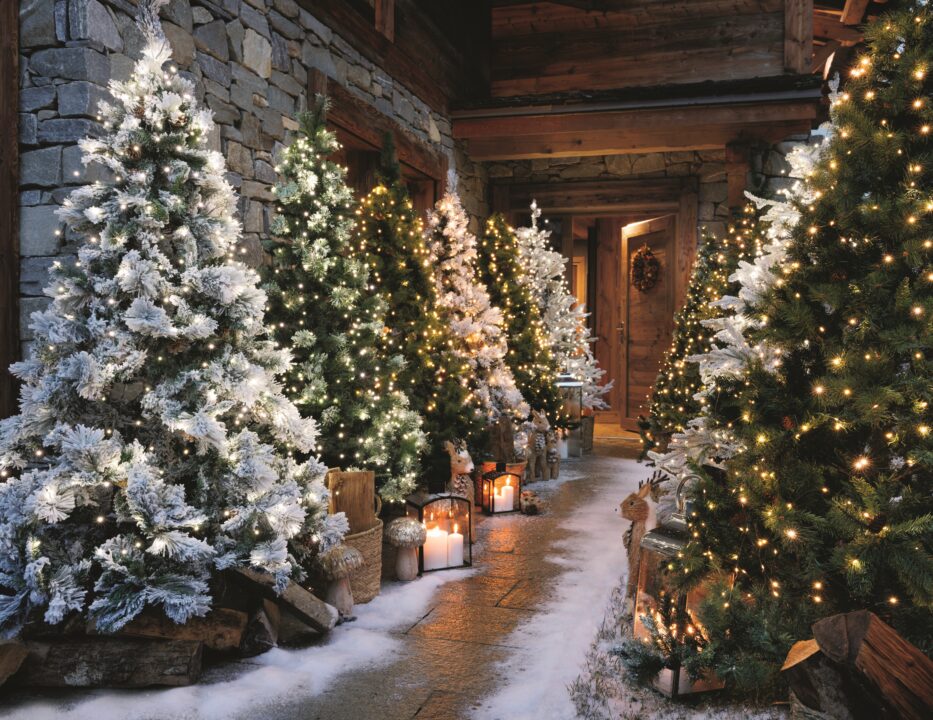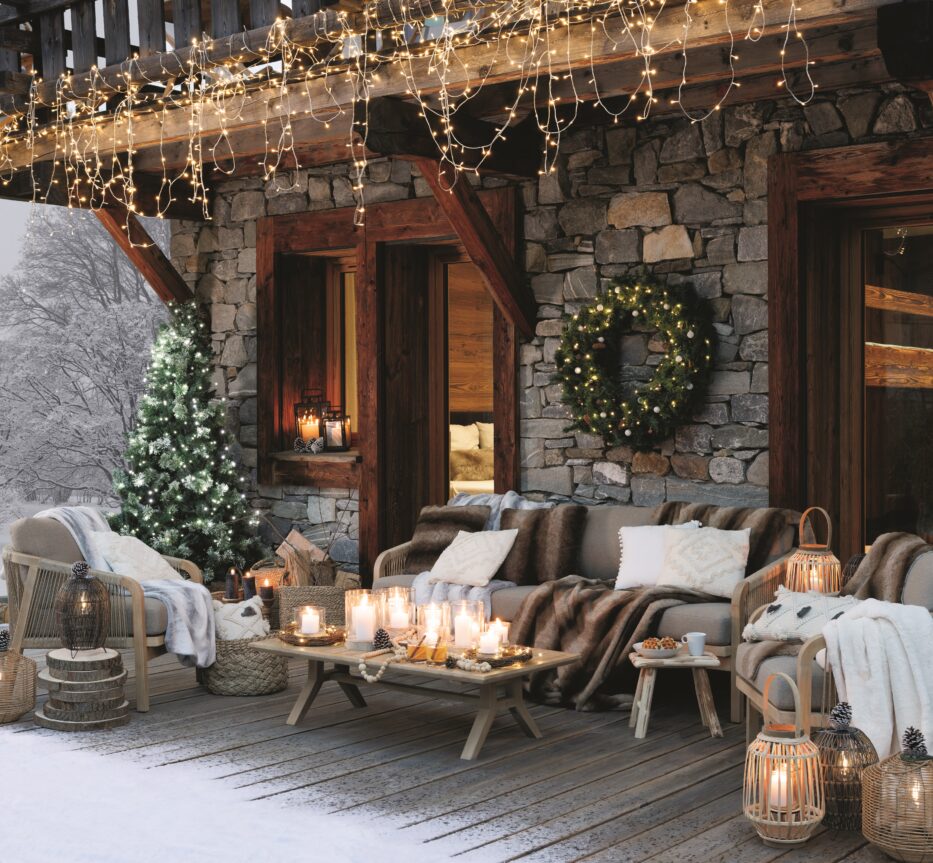
Every December, it lights up our homes: warm, bright and full of emotion. But behind our contemporary decorations lies a much older story, one that has spanned Europe for millennia. Over the centuries, this tradition has evolved, as have our lifestyles: today, some households prefer a durable, reusable tree, enabling them to recreate the magic year after year without giving up the pleasure of decorating. 

The origins: a tree linked to the winter solstice

Long before it became associated with Christmas, the fir tree was a pagan symbol deeply rooted in the traditions of Northern and Eastern Europe. As far back as 2,000 BC, the Celts honored evergreen trees at the time of the winter solstice, celebrated around December 21. Their eternal foliage represented the continuity of life in the midst of the cold season.

These customs spread to Germany, Austria and the rest of Northern Europe, before reaching the French regions closest to these influences.

A tradition in Alsace since 1521

One of the first mentions of a « Christmas tree »In Alsace, «Christmas tree" appears in the town registers of Sélestat in 1521. The tree was decorated with red apples. A tradition inherited from the " trees of paradise », in reference to Adam and Eve. They were installed in some churches as early as the XIIᵉ century..

It wasn't until 1738 that Marie Leszczynska, the Polish wife of Louis XV, introduced the fir tree at Versailles. But it wasn't until the beginning of the XXᵉ century, in the 1920s, that the custom became widespread in French homes.

A modern ritual that never fails to seduce

This tradition is still very much alive today: in 2023, almost 5.2 million natural Christmas trees were bought in France, and almost 16 million French households were equipped with artificial Christmas trees in 2024.. Two species dominate: the Nordmann, originally from the Caucasus, appreciated for the exemplary strength of its needles, and the more traditional Spruce, with its unmistakable fragrance. 

Alongside these demanding agricultural productions, the artificial fir tree offers a sustainable alternative: it accompanies families for many years, folds up easily and remains homogeneous season after season. An asset appreciated by those who like to prepare their interiors in advance or who wish to limit the repetition of annual purchases.

Constantly evolving decorations

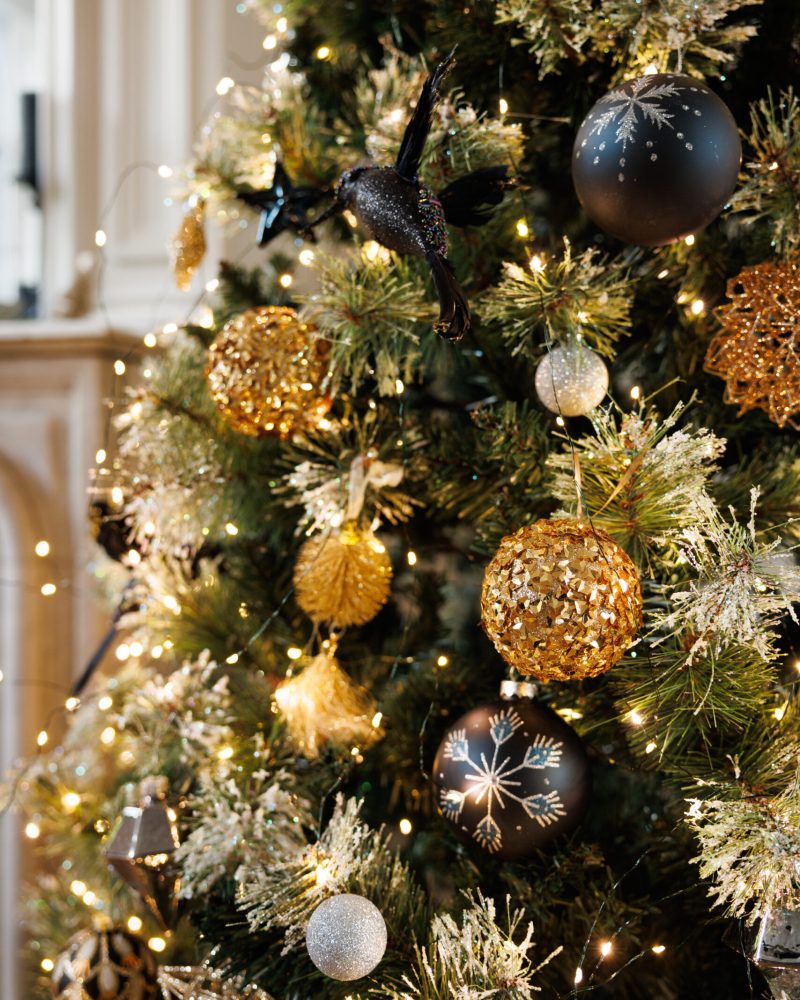
If the first decorations were simple fruits, an unexpected innovation transformed the appearance of the trees: in 1858, a drought deprived the Vosges of apples. A glass-blower from Moselle created colorful baubles... and the tradition was launched.

And what about light decorations? The first electric garland appeared in New York in 1882. Edward Hibberd Johnson, an associate of Thomas Edison, decorated his tree with 80 bulbs, as much for decorative purposes as for advertising. The idea quickly caught on, and General Electric marketed the first garlands in 1905.

Culture, local economy and circularity

Contrary to popular belief, most of the fir trees sold in France do not come from forests, but from agricultural production spread over more than 5,000 hectares: Morvan, Massif Central, Brittany, South-West, Savoie... 

At the same time, the artificial Christmas tree has come a long way: its silhouettes, truer than life, faithfully reproduce the look of Nordmann and Epicea trees. With no loss of needles and reusable year after year, it offers a practical and economical solution for those who like to put up their decorations as early as possible.

Two complementary approaches, reflecting the way each household creates its own ritual and way of experiencing Christmas.

More than ever, the Christmas tree embodies a living tradition: an ancestral symbol, reinvented over the centuries, that continues to unite and inspire. At JJA, we see in this history a precious link between heritage, creativity and conviviality, the three pillars that give Home Beauty its magic.

2X6A8461