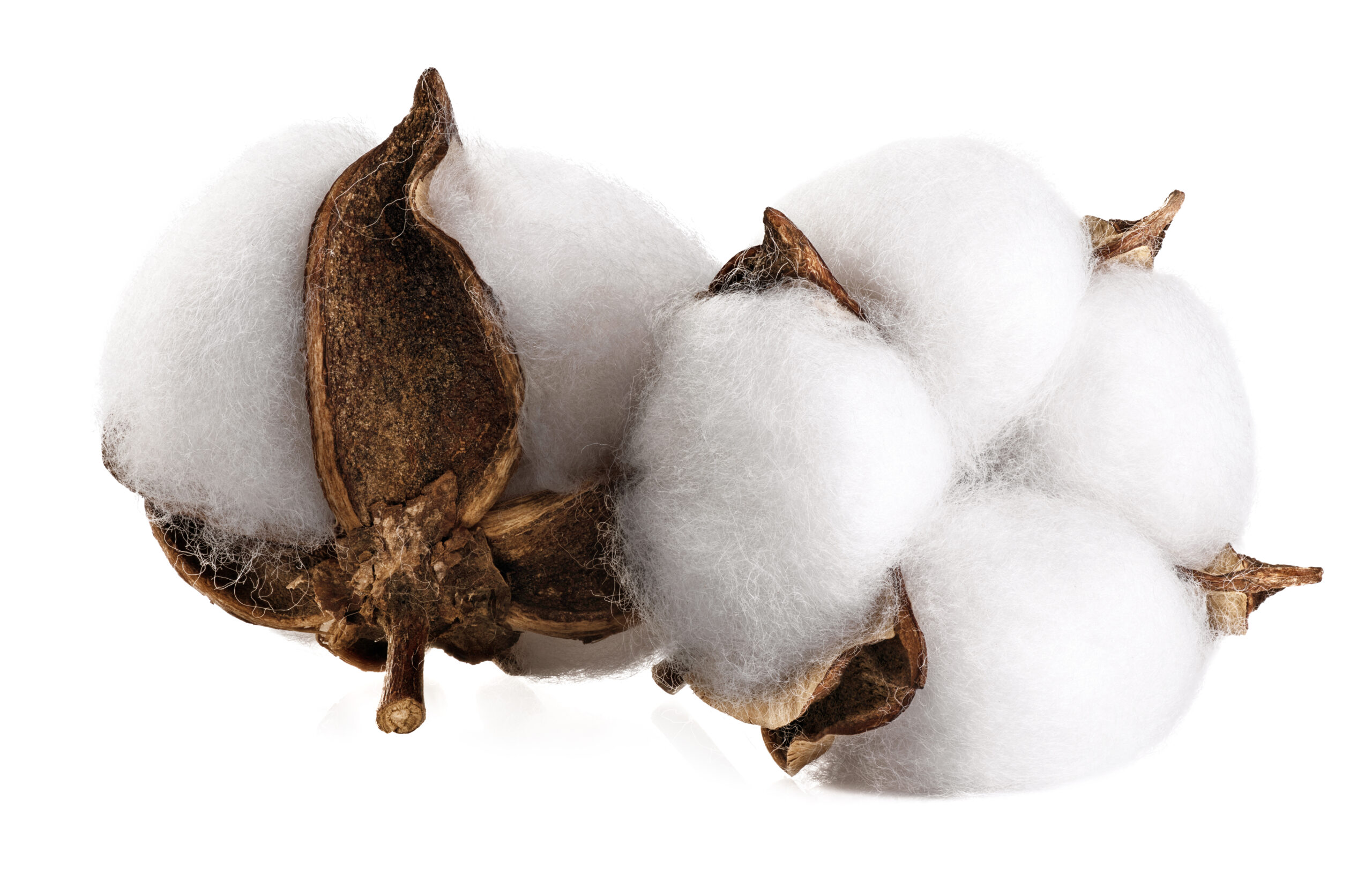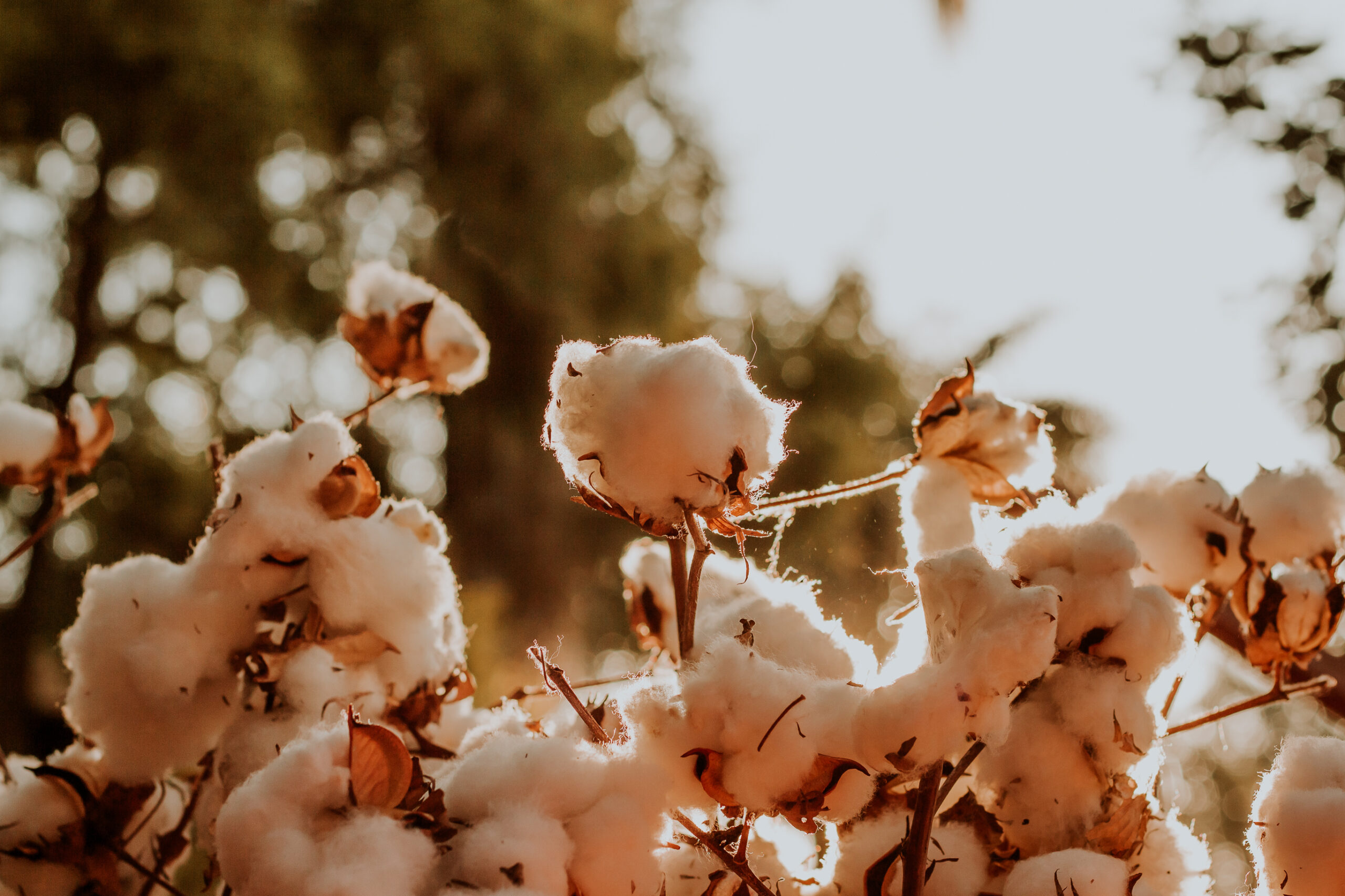
A natural fiber if ever there was one, cotton is everywhere: in our homes, our wardrobes, our factories. Born in Asia over 5,000 years ago, initially reserved for the elite, it has gradually established itself as the world's leading plant-based fiber. Humble in its daily uses, it can also prove to be an exceptional material. Soft, breathable, able to blend with almost all materials, cotton has endured through the centuries without ever losing its identity.

Cotton, a millenary fiber that has witnessed the history of civilizations

The earliest traces of cotton cultivation date back to 3,000 BC in India and Central America (Mexico, Peru). Much later, Alexander the Great introduced its cultivation to Europe. Ancient Greeks called it «the wool that grows on trees.» At that time, cotton was a luxurious material, reserved for the wealthy. 

It then developed on a large scale during the Industrial Revolution in the 19th century.th century with the mechanization of weaving. Demand exploded, driven in particular by the large plantations of the southern United States based on slave labor. Today, the largest cotton producers are found in China, India, the United States, and Brazil..

1Global Cotton Production Statistics


Cotton in all its forms

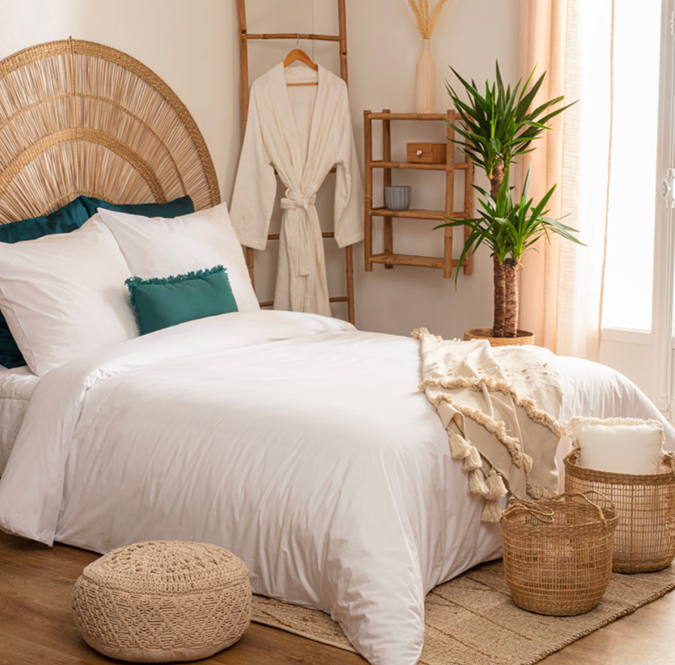
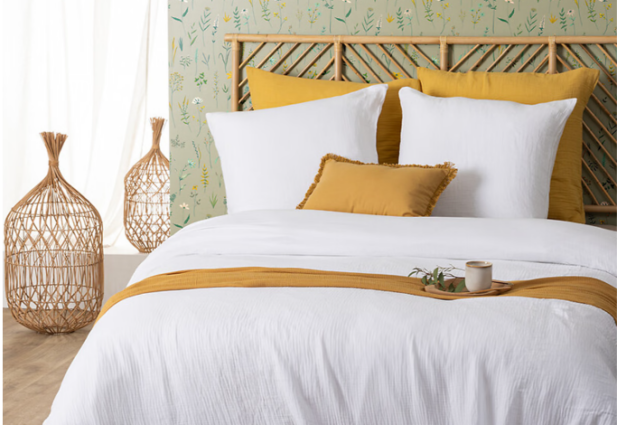
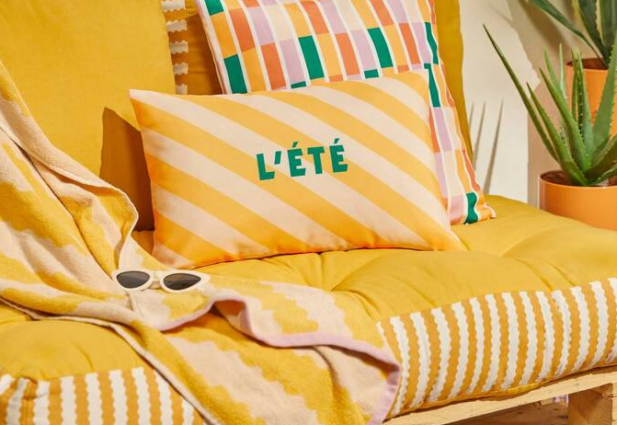
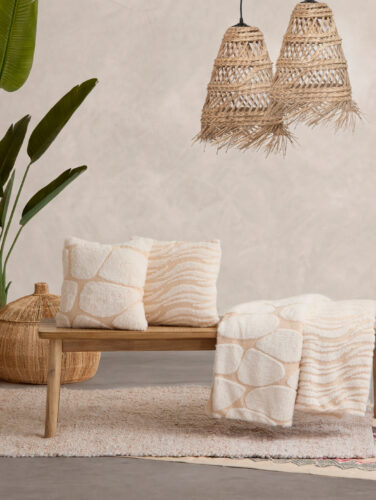
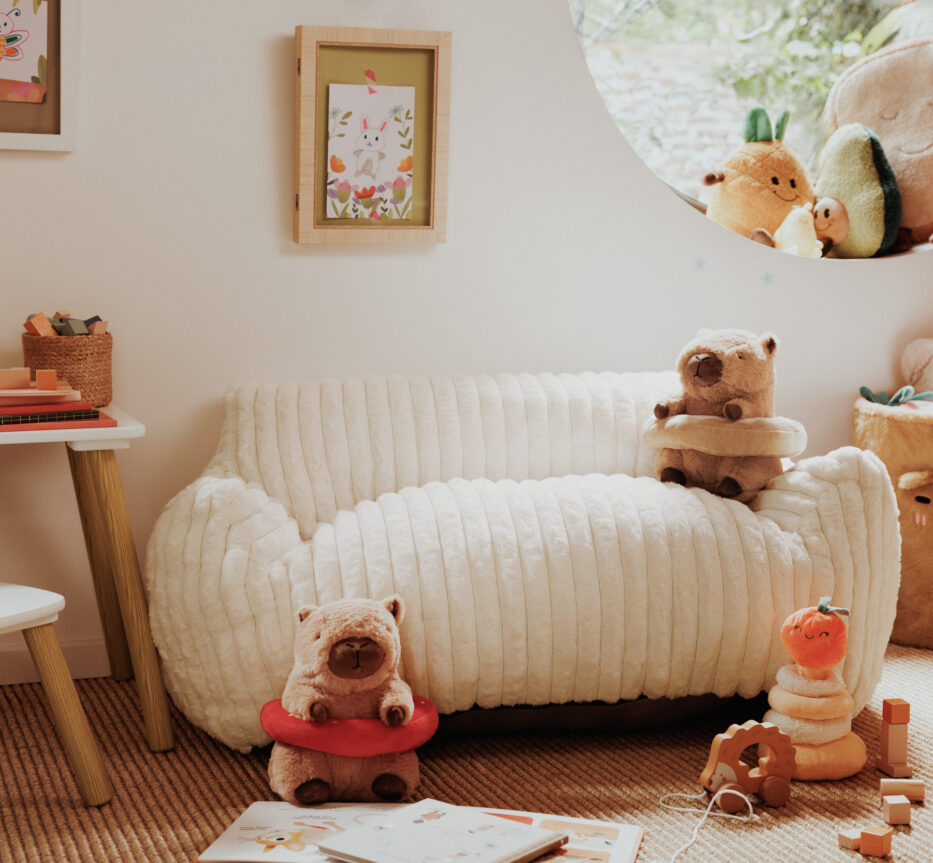
In the house and in the garden, cotton is a natural choice. Curtains, duvet covers, bath towels, curtains, cushions, plaid, carpet He dresses each room with a natural sobriety that transcends trends and suits all styles, from the most minimalist to the warmest. 

On its own or blended with other fibers like polyester for wash resistance, or linen for character, it lends itself to an infinite variety of textures and weights, from a light voile that filters light to a thick fabric that invites softness.

The timeless assets of cotton

Soft to the touch, breathable, and easy to care for: cotton naturally combines qualities that synthetic fibers struggle to imitate. Hypoallergenic, it is suitable for even the most sensitive skin, from infants to allergy sufferers. 

Its ability to absorb dyes without altering the brilliance of colors also makes it a material of choice for textile designers and decorators, who play with its subtle tonal variations as well as its airy lightness. 

Another virtue, and not the least: unlike polyester, whose plastic microfibers pollute wash water, cotton remains a plant-based fiber, naturally more environmentally friendly with responsible cultivation.

A material of everyday life, cotton is therefore nothing ordinary. Its history spans civilizations, its uses are found in every room of the house, and its natural qualities make it a consistently reliable choice for interior design. At JJA, we love materials that can combine simplicity, comfort, and lasting elegance. Cotton is one of them: a familiar, reassuring fiber, yet always ready to reinvent itself according to desires, seasons, and styles.