
Made in China: The reality behind the stereotypes
Analysis:
A look back at what etiquette doesn't say—and at outdated assumptions.
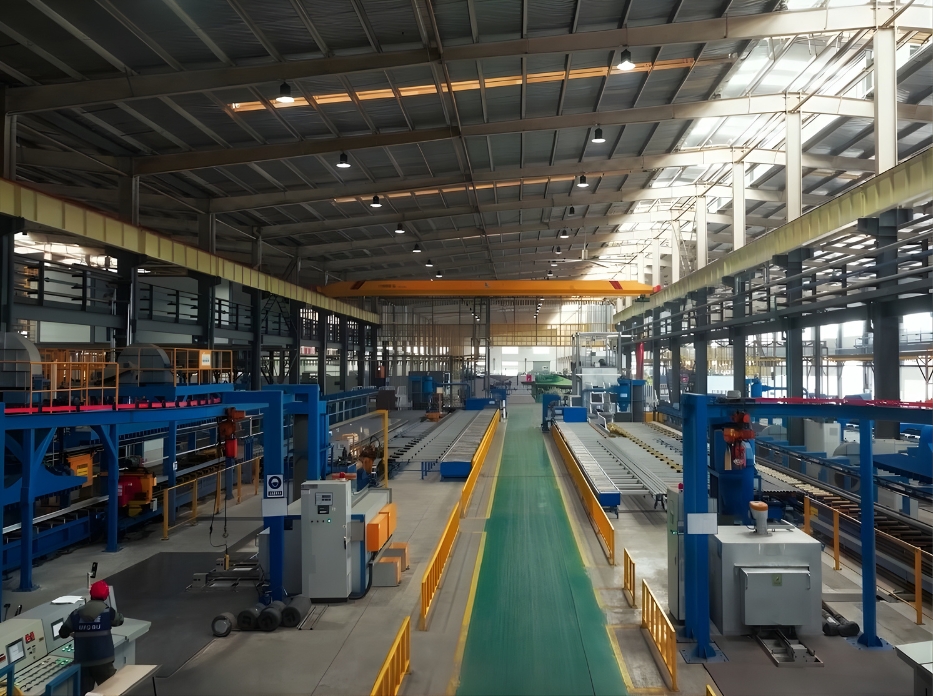
Mass production, low prices, variable quality: «Made in China» is often summarized by these shortcuts, to which are added questions about working conditions and the impact of transport. But these clichés are no longer sufficient to describe the reality on the ground. China has entered a new industrial dimension: more specialized sectors, moving upmarket, traceability requirements, and a dynamic of decarbonization. At JJA, we believe in the complementarity of models. We work with industrial partners in Asia and closely manage our requirements on the ground. A look back at what the label doesn't say—and at the misconceptions that are no longer valid.
What the label doesn't say
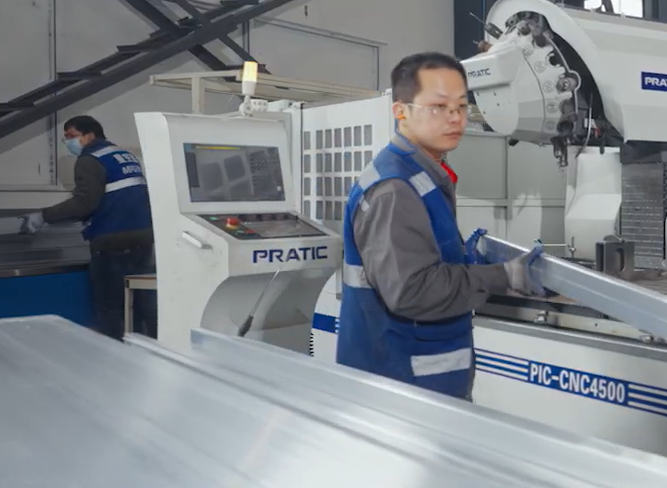
Saying a product is made in China isn't enough to determine its quality. The label indicates a location. It says nothing, on its own, about the level of standards, controls, or consistency of quality over time. At JJA, we are involved at all levels of production: from design to delivery to our customers, including manufacturing and shipping.
For us, quality is built at every step:
- at the moment of design (a beautiful product, but designed to last) ;
- in the specifications (materials, finishes, tests, safety, compliance); ;
- in industrial piloting (controls, progress plans); ;
- And in execution, because quality is also reliability (availability, delivery, condition upon receipt).
In other words, quality is managed. And when it's managed, «Made in China» can cover very different realities.
An industry that has transformed
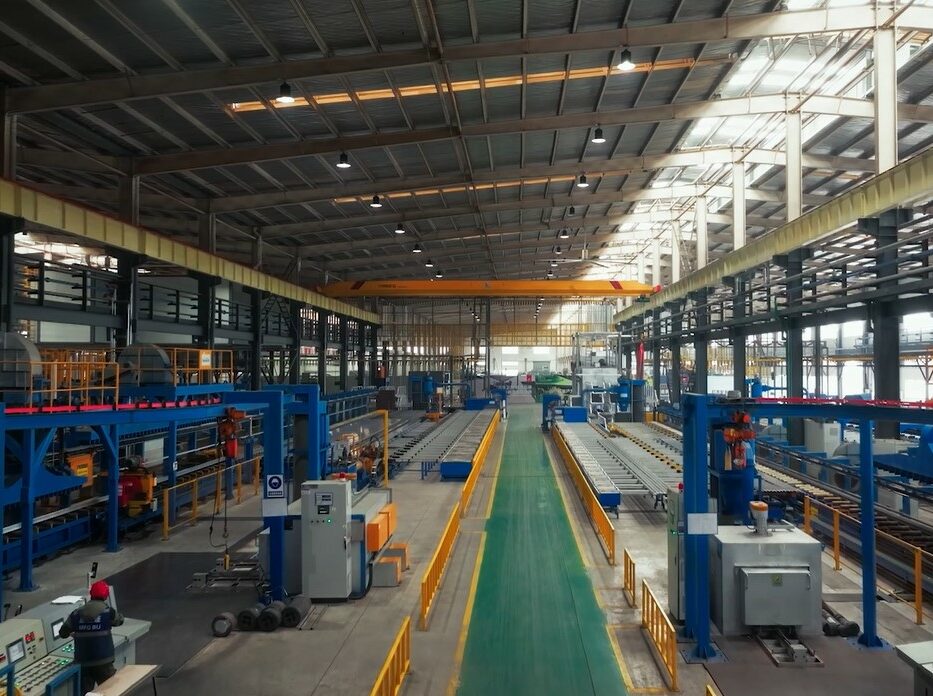
China has established itself as a central player in global production. «The world's factory» thus accounts for more than 25 % of global manufacturing. 1. But what we are seeing today is a very clear evolution: companies are no longer just looking for mass production capacity. They want to use structured supply chains capable of meeting high standards. This move upmarket is also accompanied, in certain sectors, by a more advanced structuring of environmental standards in factories, driven in particular by the expectations of international customers.
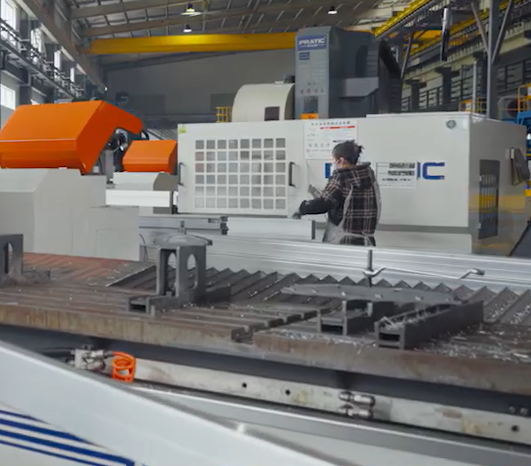
In many sectors, China operates through specialized industrial clusters, where numerous production links and suppliers are concentrated in the same region. This proximity makes it easier to test, correct, and improve products, and to launch large-scale production more quickly.
1 « La Chine représente plus de 25 % de la manufacture mondiale », La Tribune, 01/14/26.
Beyond the location: transparency and field management
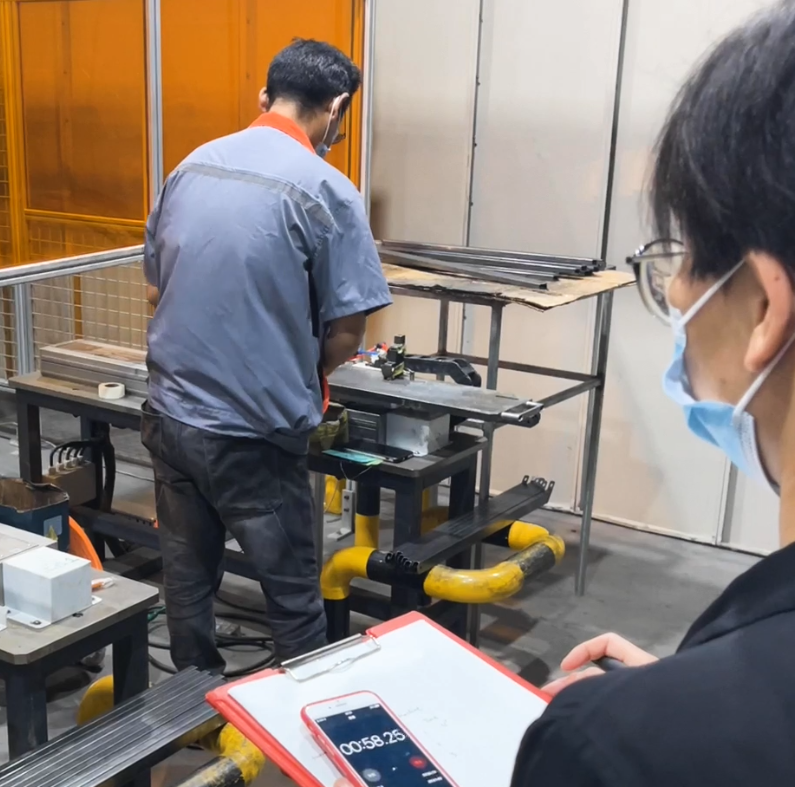
A responsible production chain cannot be managed remotely. That's why we rely on a team present on-site in Shanghai to work as closely as possible to the ground and optimize our ways of collaborating with our partners. It also means we regularly organize visits directly to our suppliers.
However, proximity alone is not enough: tools are needed to make the process robust and shareable. This is precisely what we are implementing with our supplier portal. It provides access to collaborative tools for sharing technical specifications, managing orders and purchasing forecasts, overseeing relationships via SRM (Supplier Relationship Management), and having operational performance indicators. This logic of transparency also translates into monitoring: to date, 97 % of our purchases are subject to social audits, and 30 % of them to environmental audits.
Regarding responsibility, our approach falls within The Good Living Project, built around four pillars and implemented through concrete action levers, with a logic of continuous improvement (design, partner selection, manufacturing conditions, transport optimization, sustainable and repairable products).
And to act with precision, we have created The Good Living Score a tool that measures the environmental and societal impacts of each of our products, certified by AFNOR. Broken down into five levels, from low to high impact, it takes into account the products, their lifespan, repairability, recyclability, working conditions, and transportation impact. This notably avoids a common pitfall: reducing the analysis to solely the issue of transport. Measurement allows for comparison, arbitration, and improvement where the impact is truly significant.
The place of manufacture isn't enough to understand a product's impact. What matters is companies' ability to work with clear conditions and verifiable elements.
The hidden side of production: logistics
When we talk about «Made in China,» we first think of manufacturing. But what also matters is the product's arrival: at the right time, in the right place, and in the right condition. This is where logistics becomes decisive. It determines in-store availability, delivery reliability, breakage and quality upon receipt, and the ability to adapt to very different paces, from pallet or container deliveries to individual item shipping for e-commerce. At JJA, this reality is part of our value chain.
In a world where sales channels are multiplying, this logistical mastery is an integral part of the promise: to transform international production into a truly reliable offering for distributors and consumers.
Mass production, low prices, variable quality: these shortcuts have long summed up «Made in China.» And yet...
- No, the place of manufacture alone does not allow for judgment of quality. At JJA, quality is built and managed at every stage — from design to the specifications in the technical data sheet, through to receiving inspections.
- No, producing in China does not automatically mean « affordable ». At JJA, on the contrary, we observe structured supply chains and industrial hubs capable of rapid industrialization and upgrading, as long as the specifications are clear.
- No, producing in China and upholding social and environmental commitments are not contradictory. At JJA, we combine a field presence with structured monitoring and rely on tools such as The Good Living Score.
«Made in China» has a thousand faces. The difference is less about the label than about how a company manages its value chain, its requirements, and its long-term monitoring.