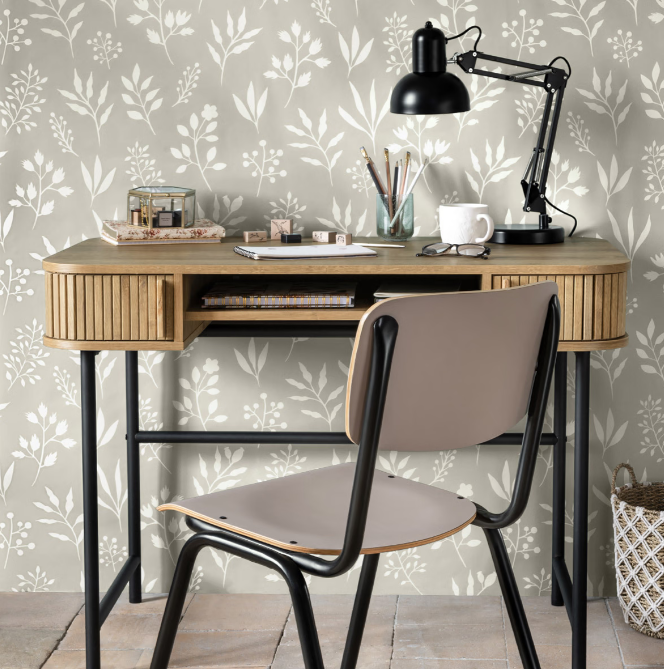
Wooden desk with embossed drawers and a black metal frame, accompanied by a chair and a desk lamp, set against a backdrop of botanical wallpaper

Reading, grammar, mathematics, history, geography... all these subjects are now on the curriculum and with them, books and homework. How can you create a space and a studious atmosphere so that your child learns under the best conditions?

Workbooks have replaced coloring books. Pens and mechanical pencils come out more often than colored pencils. Primary school is a turning point. Starting in first grade, evening homework establishes a routine and the objects of study multiply. Space and organization are therefore needed so that the desk can adapt to these new activities. More than just a piece of furniture, it is an entire space where concentration is the order of the day, where independence is built, and where the child can find pleasure in working if the right elements are present.

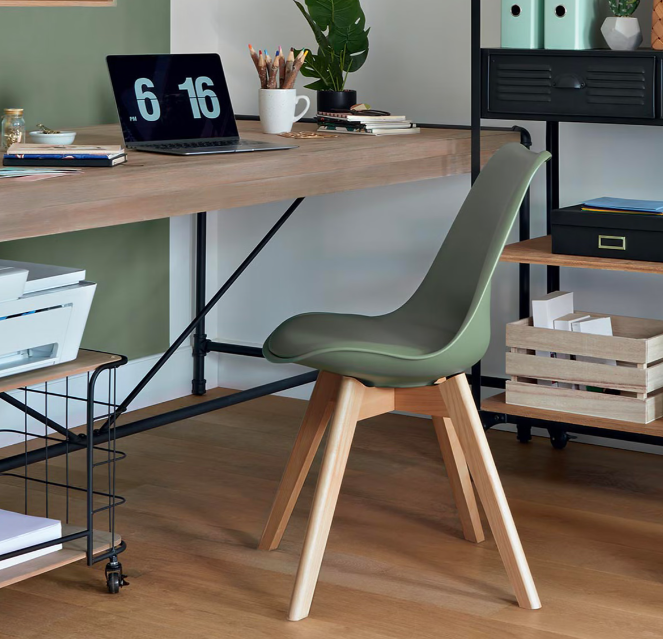
Baya chair in front of a wooden desk with storage in an elementary school child's workspace

Ergonomics first

Your child is growing rapidly: this is a factor that must not be neglected in favor of style. An uncomfortable and poorly adapted desk can quickly discourage study sessions, in addition to encouraging poor posture. The 90-degree rule, just like for adults, applies: feet flat on the floor, knees and forearms at a right angle, forearms resting naturally on the surface, without tension in the shoulders.

Since children grow quickly, buying a height-adjustable, grow-with-child desk can represent a smart investment: it accompanies the child from first grade all the way to sixth grade, without having to buy everything new every back-to-school season. Otherwise, an intermediate height, between 64 and 76 cm, ensures use over several years, provided the seat is adjusted.

A generous surface area

With all these new learning subjects, the workspace must be large enough to hold an open notebook, a book, a pencil case, loose sheets of paper if necessary, a glass of water... Everything must be visible without ending up in a precarious balance on the edge of a surface that is too small. A minimum width of 60 cm and a depth of 50 cm are thus recommended for studying comfortably.

Depending on your child's school, they may need to use a tablet. So you should count it as one of the "occupants" of the desk during homework time. A dedicated support may then prove useful.

Light: An Important Ally in Learning

After ergonomics, lighting is the second non-negotiable factor for doing homework in complete comfort. Placing the desk near a window is therefore highly recommended. Natural light reduces eye strain and promotes concentration.

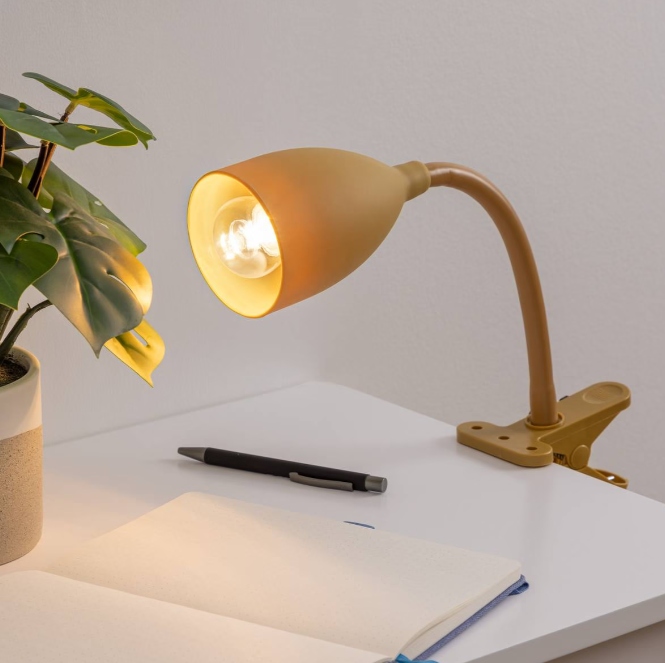
On evenings and days when it’s cloudy, a soft, well-positioned desk lamp will step in. Be careful, however, about where you place it on the desk: on the left for right-handers, on the right for left-handers, to avoid casting shadows on your notebook. The clip-on models offer significant space savings for restricted surfaces. The more decorative lamps and those that are more in tune with a child's world become reassuring learning companions.

Yellow adjustable clip-on desk lamp mounted on a child's desk for homework and school activities

Organized storage for a clear mind

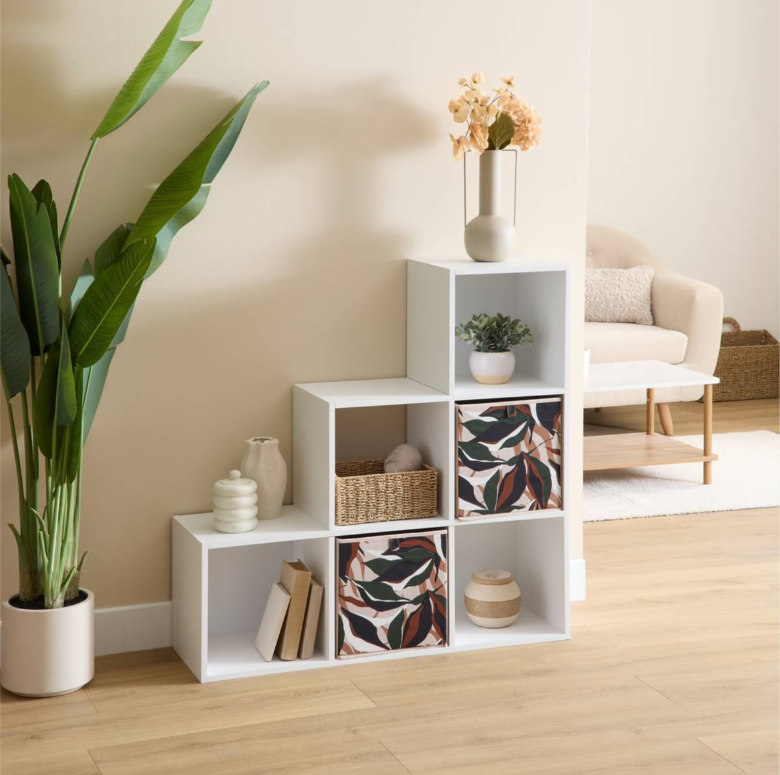
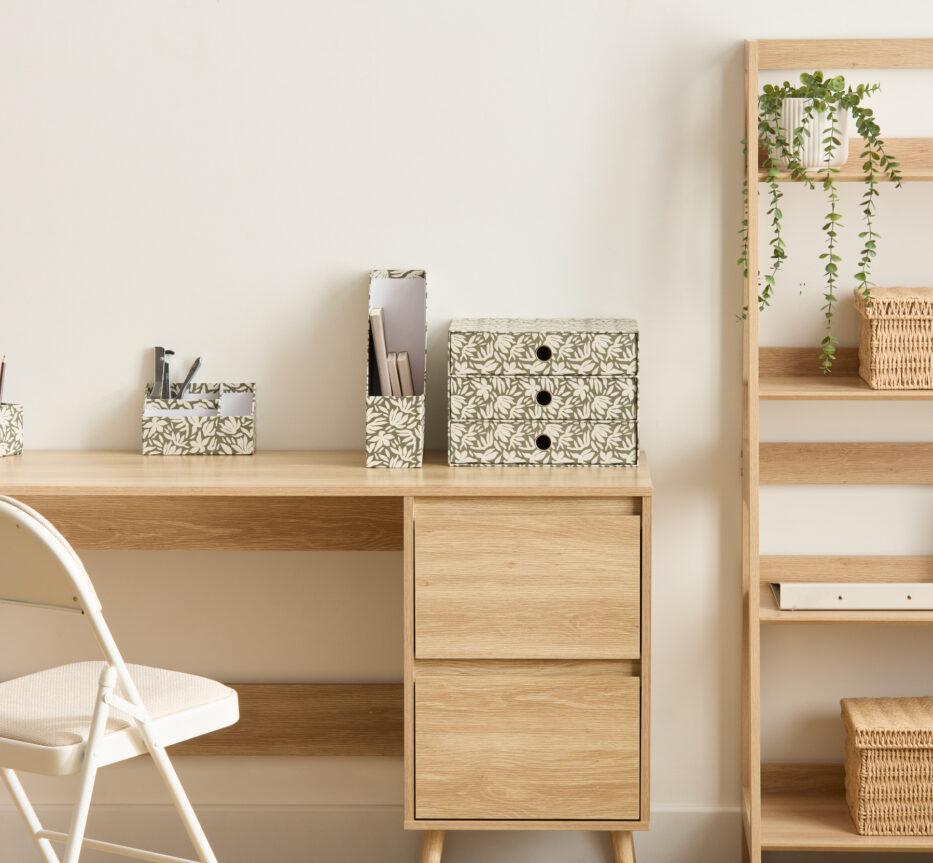
The desk should remain as uncluttered as possible to promote concentration. Organization is therefore key and can be arranged around the workspace: an easily accessible pencil holder, built-in compartments or drawers for supplies, a shelf side-by-side for workbooks and books, and storage baskets for items that don't need to be immediately visible. Your child should be able to find everything—and put everything away!—in just a few seconds, without creating stress that would disrupt homework time.

Create a space that reflects who they are

A child who makes their desk their own is a child who will take pleasure in sitting there to work. Involving them in choosing a few decorative elements or accessories, like a poster to put above it, a photo stand, a trash can allows them to shape that space in their own image. And these little personalized touches are often enough to turn the chore of homework into a moment that’s accepted—or even enjoyed.

Besides, the desk isn't just for homework—it's also a place where your child can continue to draw, color, cut, and glue during their free time. It should therefore remain associated with positive feelings.


A well-designed desk for elementary school is a space that meets a child’s needs—not only in practical and educational terms but also in terms of comfort and well-being. Because feeling at home—even at your desk while working—is exactly what Home Beauty promises.  

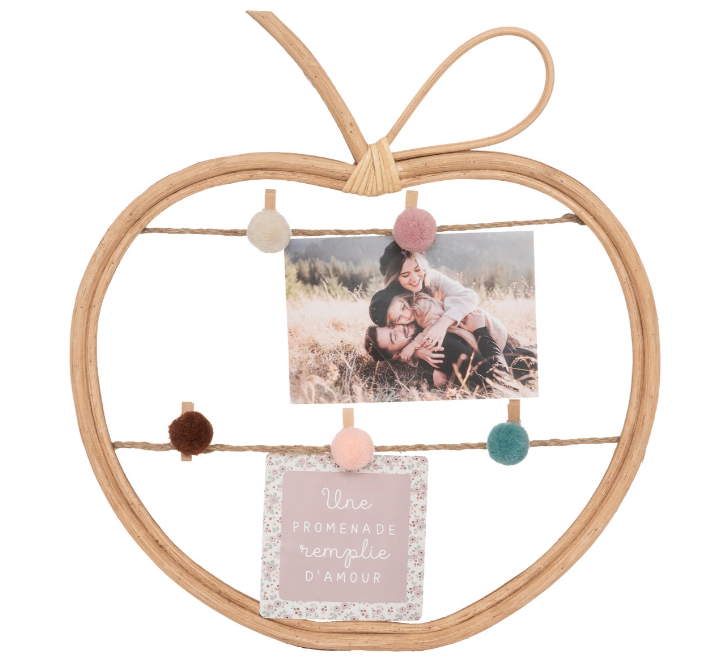
Display your child's fondest memories with an apple-shaped photo collage. A decorative rattan accessory that brings a natural and poetic touch to the bedroom.
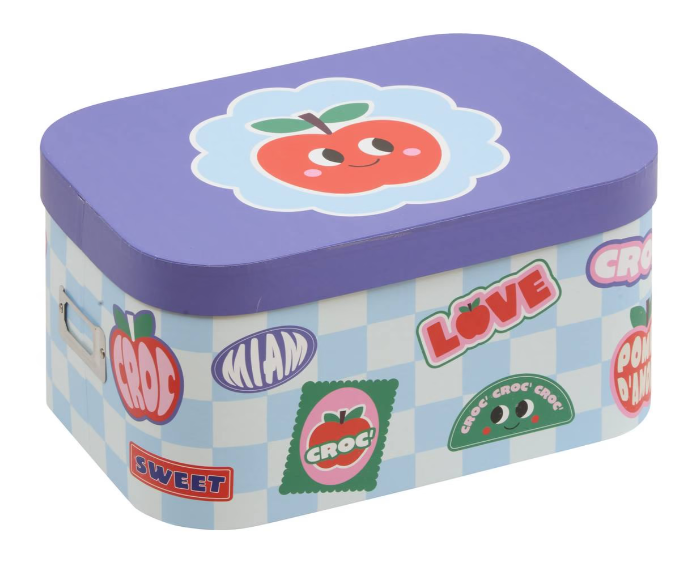
Atmosphera x ChachaPop children's storage box with colorful fruit patterns and pastel blue gingham print