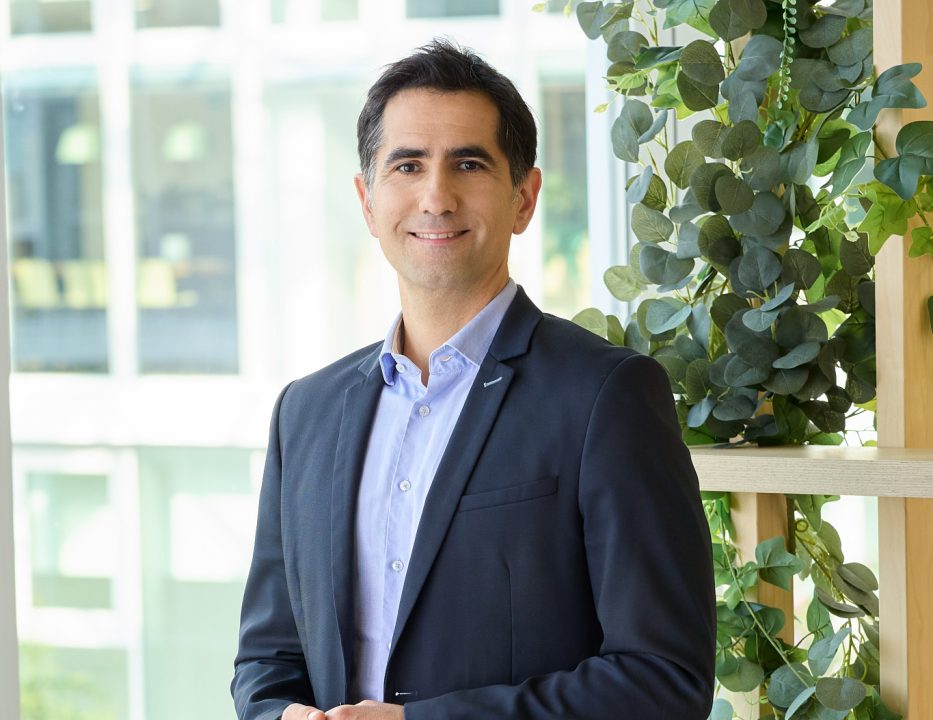
Corporate portrait photo of Nicolas Souraqui, waist-up shot

Spirit of co-construction, attention to quality, shared desire to fulfill social and environmental commitments… The common values between JJA and its partners in China are numerous and fuel a long-term collaboration. Building on his extensive experience on the ground, Nicolas Souraqui, JJA's Operations Director, debunks common misconceptions about Made in China and returns to what makes      collaborations with JJA's Asian partners a success.

Chinese companies hold an important position among JJA's partners. What explains this strategic choice?

Within JJA, our strategy is clear: we work with the most reliable and high-performing partners. This performance is achieved through demands for quality, cost, of course, but also consideration of social and environmental responsibility issues, as well as innovation capacity. And it must be recognized that many of the partners who meet all these criteria are located in China. Our decision to establish a JJA team in Shanghai illustrates both this central role and the importance of personal relationships and proximity in how we view this collaboration.

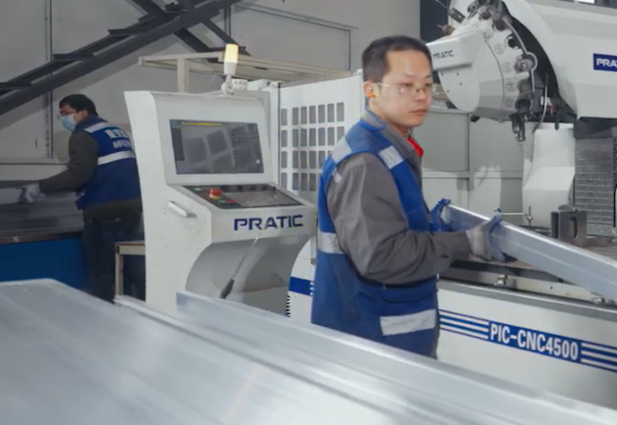
Factory in China JJA, employee working on a machine

You yourself have extensive professional experience in China. How do you explain that «Made in China» stands out in this way? 

I actually started working with China decades ago, and even lived there for a few years. This allowed me to witness firsthand the country's profound economic transformations and the extremely rapid evolution of its industrial capabilities. Far from popular misconceptions, the Chinese manufacturing and industrial sector is often at the forefront of equipment technology. Investments have been and continue to be massive, enabling the country to equip itself with factories that are both modern and efficient. As partners, we also benefit from the investments made to create a true ecosystem of transport and logistics infrastructure around these industrial centers. This allows us, for example, to rely on maritime freight between China and Europe, one of the most efficient transport solutions in terms of both cost and environmental impact.

man operating machine in factory
China factory quality control

Beyond industrial performance, what is your perspective on the evolution of working conditions and the consideration of environmental issues by the industrial sector in China?

It is, of course, impossible to generalize, but by working at  daily with our partners, I note, once again, a genuine desire from companies to improve working conditions, salaries, hours, safety, the work environment, or management... The Chinese industrial sector has reached a level of maturity, quality, and recognition that makes it a major player in terms of both technology and commitments.
The logic behind these improvements is the same as that at work around the world: offering better work environments and conditions, focusing on team engagement, and creating a CSR dynamic increase quality and performance. Economically, these improvements also make sense.

JJA is very attentive to the social and environmental commitments of its partners. How does this translate?

Indeed, we have implemented The Good Living Project, a continuous improvement approach to our environmental and social responsibility. We ensure that our partners align with this trajectory. This begins even before the partnership starts, with significant work in selecting potential partners, site visits, and establishing clear specifications that include CSR requirements. Once the partnership is in place, we rely on both monitoring tools and close collaboration driven by a spirit of continuous improvement.

Beyond industrial performance, what is your perspective on the evolution of working conditions and the consideration of environmental issues by the industrial sector in China?

As you've understood, we believe in the power of long-term, good-faith collaboration. Being present in China, for example, allows us to regularly visit factories in order to complete the picture provided by audits. This way, we can grasp the mindset of the teams and note points that rarely appear in audits. And, if necessary, ask our partner to improve certain aspects. Here too, these requests are all the better received when they are made within the framework of a discussion. 


Our presence in China is therefore essential to building a trusting relationship with our partners. It allows us to engage in a process of continuous improvement based on dialogue and co-creation. We truly have everything to gain by being demanding about what «made in China» encompasses.

What do you personally and professionally take away from these years of collaboration with JJA partners? 

I discovered a culture and way of doing business that is fundamentally very close to mine, and more generally, to that of JJA. Personal relationships and trust are absolutely central, as is keeping one's word. The process of progress is not achieved solely through demands sent by email to one's contact. On the contrary, it is regular dialogue, the presence of our teams on the ground, and a sincere desire to get to know and understand each other better that allow many partnerships to evolve. The more I interact with our partners, the more I appreciate the fact that in China, as in Europe, business relationships are primarily based on the human aspect.

Speaking of the future, how are you evolving your partnerships?

China is far from being our only partner. We always apply the same logic: choosing the best companies while considering quality, reliability, performance, and alignment with our ESG commitments. Many countries possess genuine expertise and industrial capabilities that meet these criteria. This is the case, for example, for India in textiles, Turkey in glass production, Vietnam for basketry, and France, whose expertise is recognized in fields as varied as perfumes and sofa manufacturing. Regardless of our partner's nationality, we truly believe in the power of long-term collaboration and shared values.