Just as a personal perfume reveals our personality, the scent of our home tells our story. More than a mere detail, it plays an integral part in the identity of a place and has a profound influence on our daily well-being. 87 % of French people say they attach great importance to the smell of their home. A figure that confirms what many feel intuitively: beyond visible decoration, it's also through smells that an interior truly becomes ours.
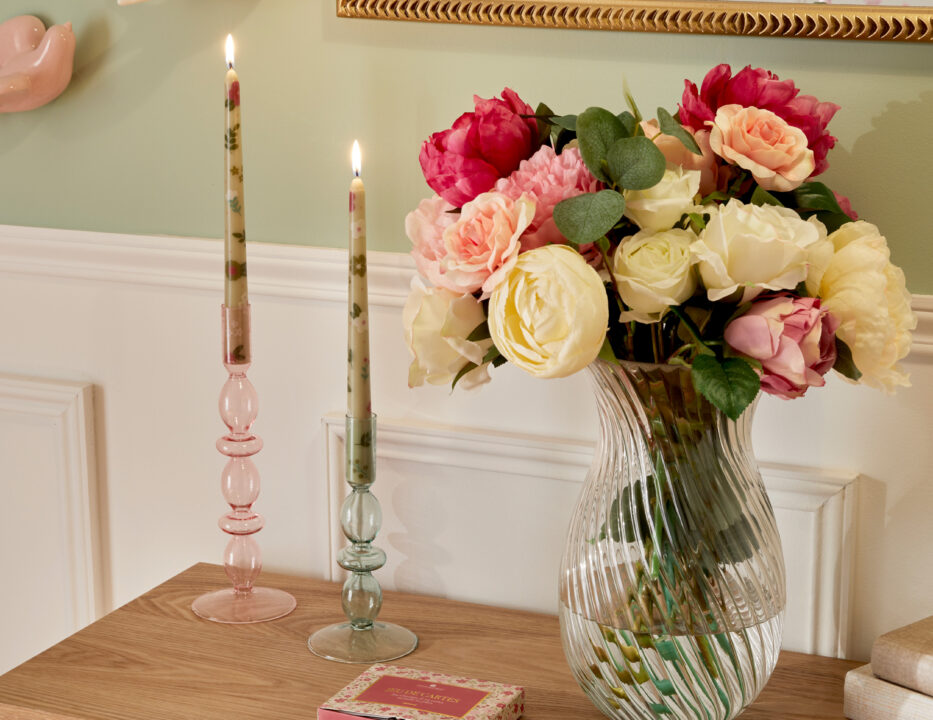
Smell, a powerful springboard to our emotions and memory

Why do certain smells immediately trigger a memory or emotion? The sense of smell is particularly closely linked to the areas of the brain that manage emotions and memory. This explains why a simple scent can instantly take us back to a specific moment in our childhood, giving us an immediate feeling of well-being and nostalgia. 

This privileged connection between smell and feeling is concretely reflected in our interiors. The main olfactory families generate distinct atmospheres:

  • Fresh notes such as citrus fruit bring dynamism and energy. Lemon, grapefruit or bergamot stimulate and invigorate, perfect for an office or kitchen where you want to maintain a certain liveliness.
  • Woody and spicy notes create a warm, enveloping atmosphere. Sandalwood, cedar and notes of wood fire evoke comfort, ideal for a living room or bedroom where relaxation is the order of the day.
  • Floral notes introduce softness and romance into the space. Notes of white musk for springtime lightness, or a more heady jasmine.

Composing your olfactory signature

A successful olfactory signature can't be improvised: it has to be built like a coherent, recognizable identity. The secret lies in creating a common thread throughout the home, without making every space the same.

Seasonal adaptation allows you to adapt your interior to the rhythm of the year. In spring, green notes and transparent floral fragrances evoke freshness. Summer calls for citrus and sunny fragrances. Autumn invites gourmand and spicy notes, reminiscent of walks in the forest and the first cocooning evenings. As for winter, it's more suited to comforting scents reminiscent of Christmas, such as the fir tree or the fireplace, notes that transform the atmosphere without having to rethink the whole decor.

When choosing a home fragrance, it's best to let your own tastes guide you: close your eyes, let yourself be immersed in the scent, and project yourself into the ambience you're looking for. Let your emotions and personal memories guide your selection, rather than being influenced solely by the name or packaging.

Practical tips for controlled perfuming

To create a harmonious olfactory atmosphere, it's important to choose the right materials and use them wisely.

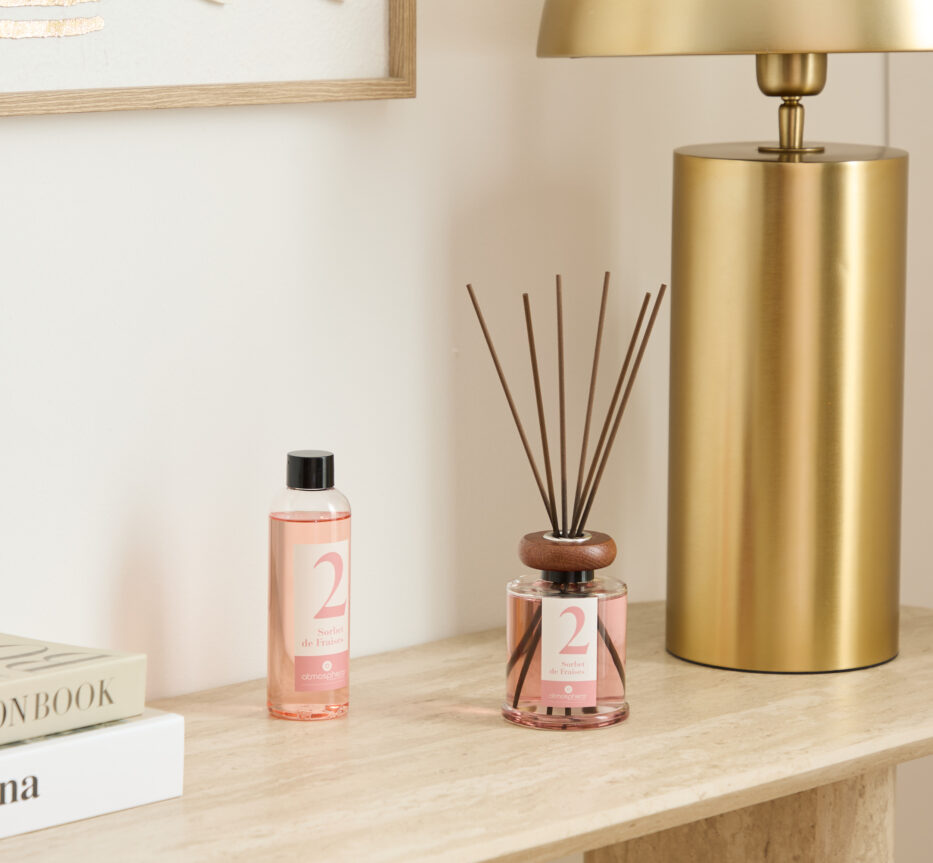
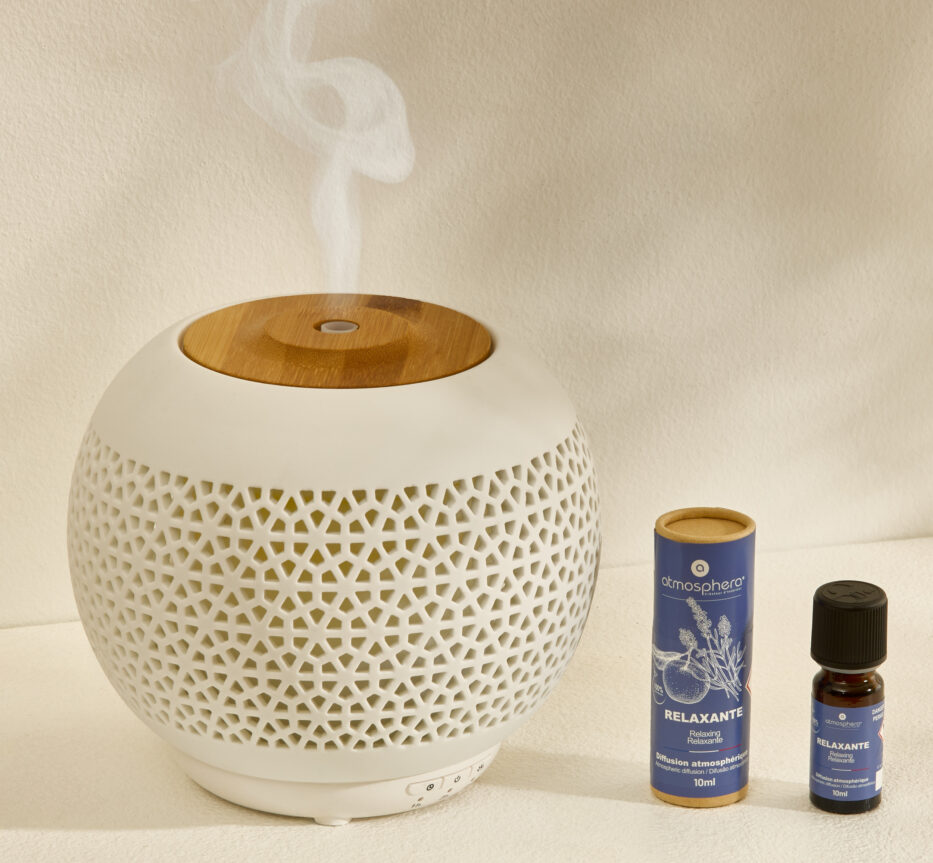
Stem diffusers (or scented bouquets) provide a continuous, discreet fragrance, ideal for a hallway or small room where a constant olfactory presence is desired.

Room sprays can be used for specific, targeted scenting. They can also be sprayed on textiles - curtains, cushions, sofas - to create a soft, lingering scent.

The candles offer the double pleasure of a luminous and olfactory ambience. They do, however, require rigorous maintenance. Before extinguishing them, make sure the entire wax surface has melted (the so-called «pool»), otherwise the candle will hollow out and burn poorly later on. The wick must be trimmed regularly to prevent the fragrance from being degraded by too high a flame. One hour's burning is generally enough, and some candles continue to release their scent when cold or when the wax cools.

Olfactory coherence consists in using the same family of scents on different supports: a candle in the living room, a textile spray in the bedroom, a diffuser in the entrance hall. This method creates an overall atmosphere, while varying the media according to the room.

A signature that can't be seen but can be remembered

The scent of an interior works like a fingerprint: invisible, but memorable. It's that particular scent that makes a home instantly recognizable: the scent of vanilla and melted butter in your grandmother's kitchen, the smell of waxed wood and sun-dried linen in your family's vacation home, or simply that indefinable scent wafting through the entrance that says «welcome home». This olfactory dimension is a natural part of the Home Beauty philosophy: creating a home that feels good also involves making sensory choices that escape the eye.

Composing your own olfactory signature is all about trusting yourself. Test what appeals to you, adjust according to your reactions, and follow your instincts rather than trends. The result is an interior that's uniquely yours!